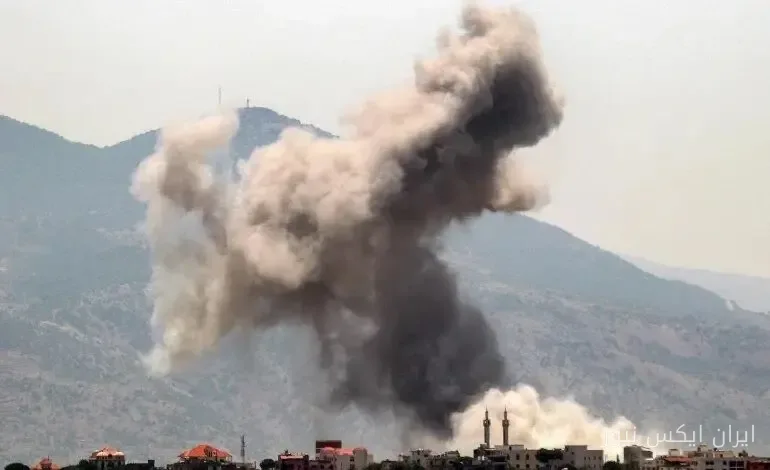
Israel's military attacks on the village of Nabatieh al-Fawqa in southern Lebanon once again demonstrate this country's disregard for declared ceasefires. In recent days, tensions at the borders of Lebanon and Israel have sharply increased, and this attack is considered a clear violation of previous agreements.
Manifestation of Regional Turmoil
The recent attacks by Israel on Nabatieh al-Fawqa not only threaten the security of the residents in this area but could also lead to a larger conflict in the region. Such actions have heightened concerns among the international community and Lebanon's neighboring countries, and it seems that diplomacy to find a sustainable solution has been challenged.
Analysts believe that these attacks are part of Israel's strategy to instill fear among resistance groups in Lebanon. While Lebanon is facing difficult economic conditions, these attacks could exacerbate the situation and fuel a humanitarian crisis in the country.
Global Reactions
In response to these attacks, some regional countries and international organizations have called for an immediate halt to such actions and respect for human rights. In particular, the continuation of these attacks could have serious repercussions for security and stability in the Middle East.
As Lebanon seeks to rebuild and improve its internal situation, Israel's attacks could overshadow all efforts. This situation clearly reflects the complexities of the crisis in the Middle East and the need for a comprehensive approach and international cooperation in resolving these crises.