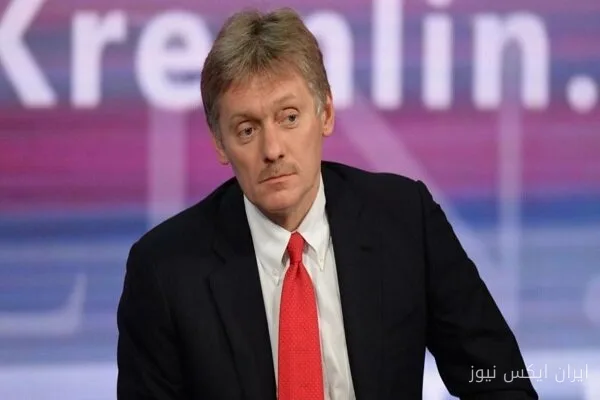
As the war in Ukraine continues, the Kremlin spokesperson has recently reported the possibility of a new round of trilateral negotiations between Russia, Ukraine, and the United States in October. This news could be seen as a sign of hope for ending the current crisis, but it also raises many questions.
Prospects for Negotiations
Negotiations aimed at ending the war in Ukraine have faced many challenges for years. The recent statements by the Kremlin spokesperson indicate that the parties may be seeking a way to reduce tensions. However, the history of past negotiations shows that whenever hope for a new agreement has arisen, these hopes have quickly confronted the realities of the ongoing conflicts and turned into disappointment.
Interests of the Parties in Negotiations
Russia seeks to consolidate its positions in eastern Ukraine and ensure its national security, while Ukraine and the United States aim to restore Ukraine's territorial integrity and counter Russian influence in the region. In this context, the role of the United States as a mediator and supporter of Ukraine could help influence the outcome of the negotiations.
Given the current circumstances, analysts believe that the possibility of achieving a sustainable agreement in these negotiations, despite all the challenges and deep disagreements, remains attainable. But can both sides move towards a common solution, or will these negotiations also face the uncertain fate of past negotiations?
Before these negotiations take place, both sides are expected to strive to optimize their positions and strategies. Especially as the war in Ukraine has become one of the main challenges to global security, the outcomes of these negotiations could have wide-ranging impacts on the political and economic situation in the region and beyond.