Longline fishing is a commercial and exciting method for catching fish that is used in the deep waters of New Zealand. This technique employs a long main line to which baited hooks are attached at specific intervals, allowing fishermen to catch a large number of fish in a short time. But is this method only beneficial for fishermen, or does it have negative consequences for the environment?
How Does the Longline Fishing Technique Work?
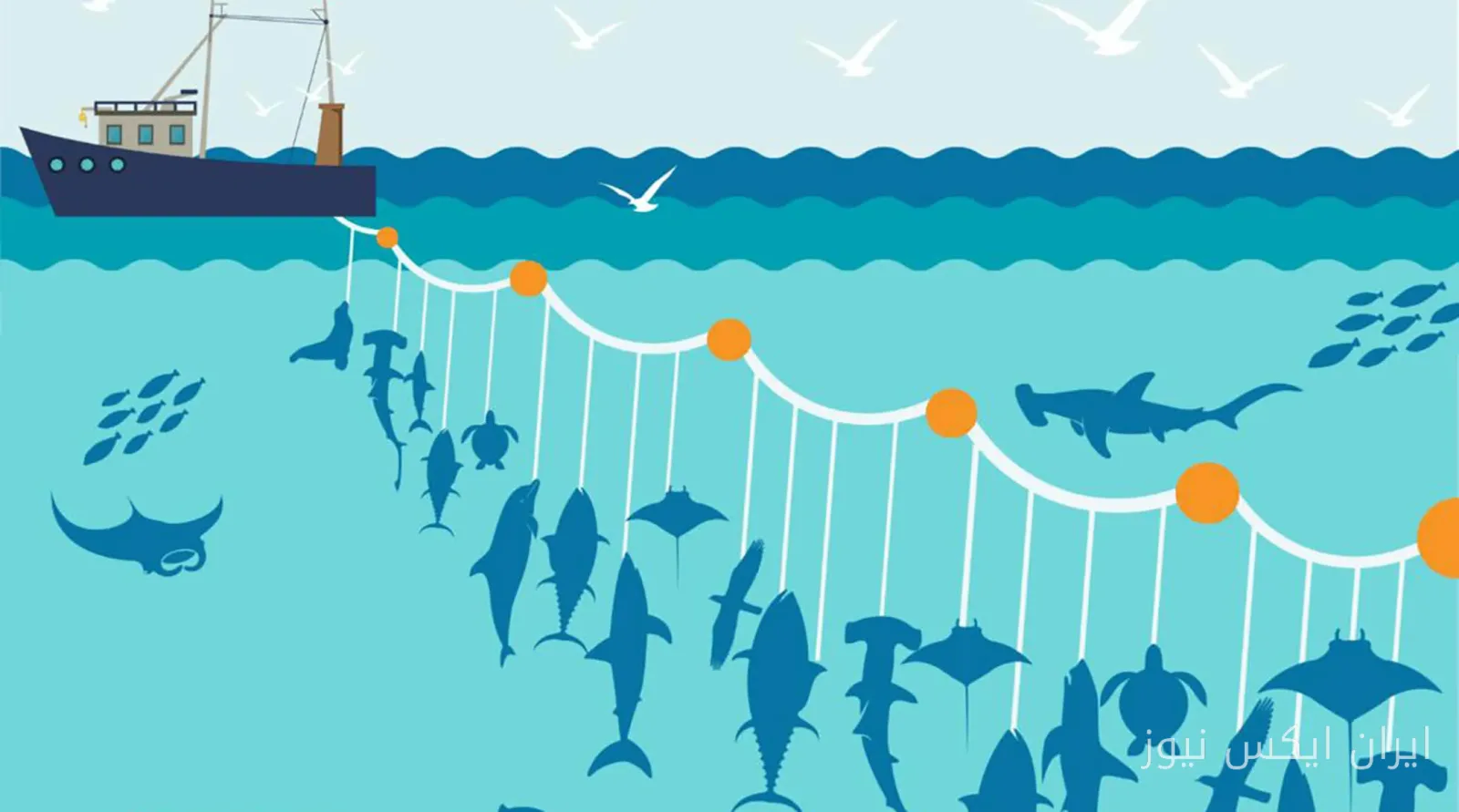
In this method, a long main line known as the longline is placed in the water's depth, and hooks are connected to it using branch lines called snoods. Each hook is individually prepared with a specific bait and can catch a large number of fish at once. This technique enables fishermen to achieve the best results from their catch using numerous hooks.
Longlines are usually classified based on water depth and their placement. These lines can be positioned at the surface or at depth and are adjusted using anchors. However, this method poses significant environmental risks due to its ability to catch large quantities of fish.
Environmental Challenges and Their Impact
The use of the longline technique in New Zealand not only results in the capture of target fish but can also lead to the illegal catch of other species. This issue is particularly serious for endangered species. Fishermen must adhere to existing laws and regulations to prevent harm to marine ecosystems.
Ultimately, longline fishing in New Zealand presents a dual image; on one hand, it offers an opportunity for commercial and economic catch, and on the other hand, it poses serious challenges for environmental preservation. Is it not time to take a fresh look at this technique and consider more sustainable solutions for protecting our seas and oceans?