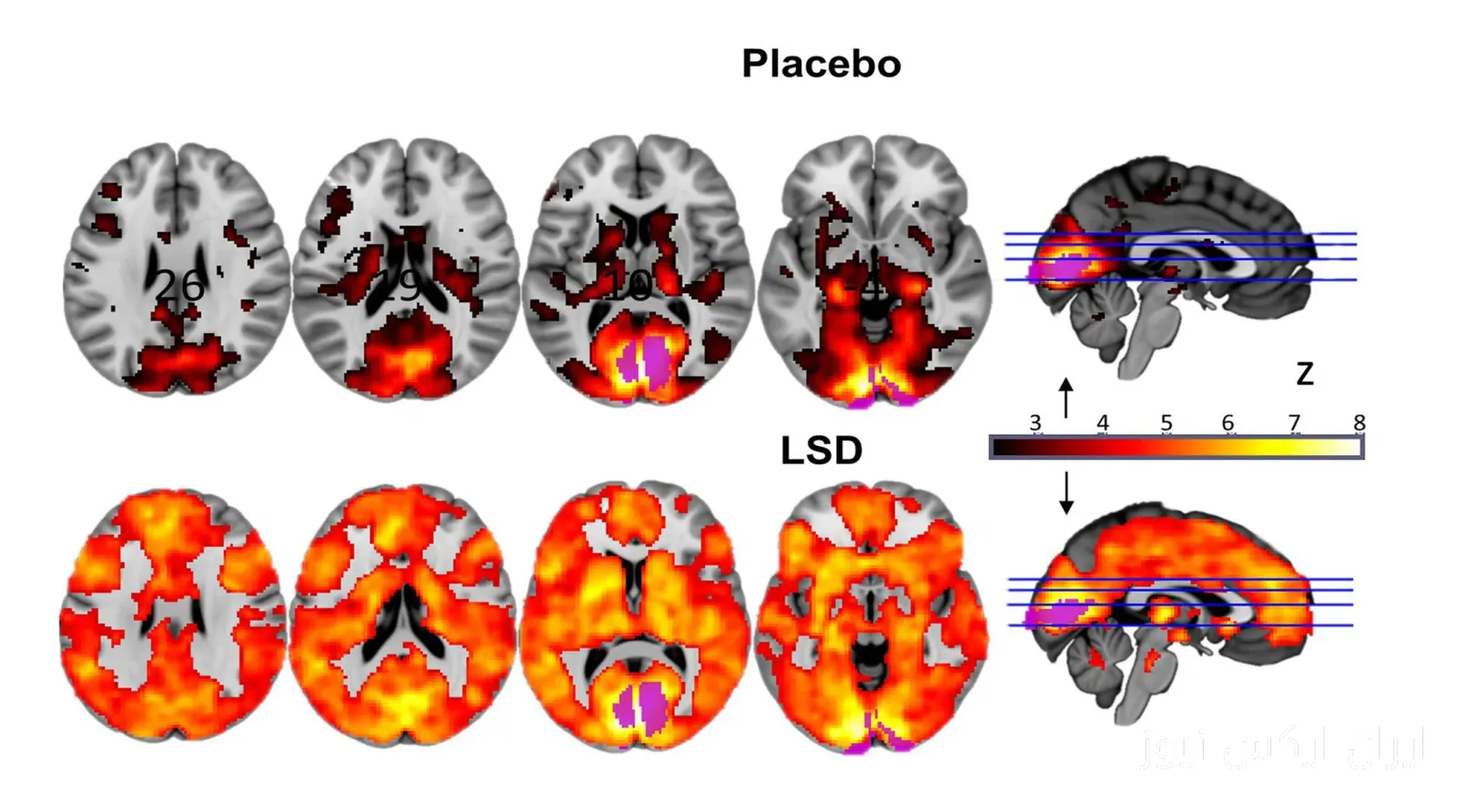
LSD is one of the most powerful known psychedelics; a substance that can change perception of color, sound, time, emotions, and even a person's sense of identity in very small amounts. These changes occur through LSD's interaction with serotonin receptors in the brain and alterations in the way neural networks communicate.
Diverse Experiences with LSD
The experience of LSD varies for each individual. Some people may feel euphoria and wonder, while others may struggle with anxiety and fear. These differences depend on various factors including the individual's mental and physical state, the environment, and even the dosage consumed.
In general, LSD can astonishingly transform reality. Individuals under the influence of this substance may see colors more vividly, hear sounds differently, and even experience time in a different way. This phenomenon occurs due to changes in brain activity and the way information is processed.
Why Do Some Have Positive Experiences While Others Have Negative Ones?
A positive or negative experience with LSD depends on individual and environmental conditions. People in calm and friendly situations usually have a better experience. Conversely, those in stressful or tense conditions may experience anxiety and fear. This indicates that the environment and mental state prior to consumption can significantly impact an individual's experience.
Ultimately, LSD is not just a psychedelic substance but a complex phenomenon that can challenge our understanding of reality and raise deeper questions about our mind and perception.