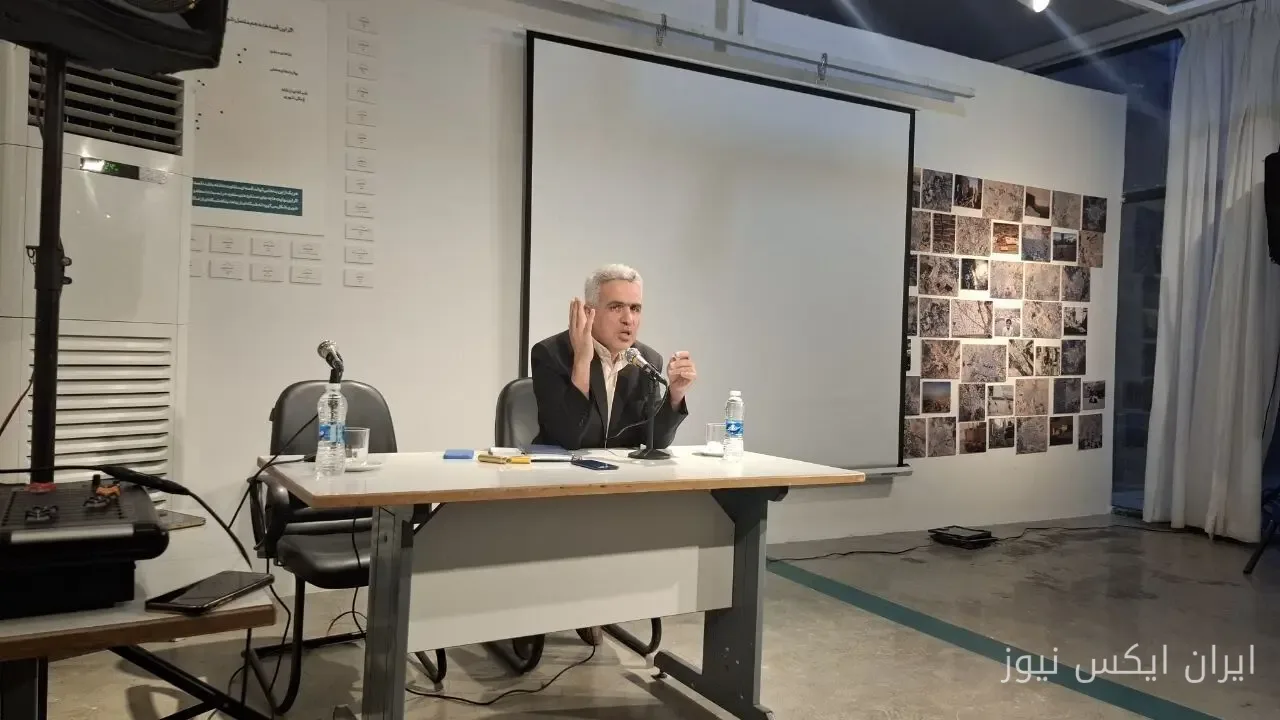
In recent years, the housing market in Iran has faced an unprecedented increase in prices. This situation has led many people to turn to informal settlements. Mahmoud Olad, a university professor and housing economics expert, says: "Part of what we today call 'informal housing' is the result of a market that has raised the minimums of housing. For those who cannot reach those minimums, there is no other option left."
Social Consequences of Informal Settlements
But can all informal settlements be explained solely by poverty? Salmi Ghazi, an urban planner and expert in this field, answers this question and warns that we cannot overlook issues of ownership, employment, and the right to adequate housing. According to her, many individuals in these settlements face more serious problems in their daily lives that go beyond economic issues.
Ghazi also points out that informal settlements are not just a sign of poverty; they can also indicate an inability to meet basic life needs. In fact, these settlements clearly represent the imbalance in the housing market and the inefficacy of government policies.
Possible Solutions
Given the current conditions, there is an urgent need for new and effective policies to organize this situation. Experts believe that the government should create the conditions for providing adequate housing for vulnerable groups by adopting the right measures. This action will not only help reduce informal settlements but can also lead to improvements in the social and economic conditions of the community.
Ultimately, it seems that solving the problem of informal settlements requires greater attention to the social, economic, and cultural dimensions of this issue; a topic that may continue to persist in the shadow of neglect towards the real problems of the people.