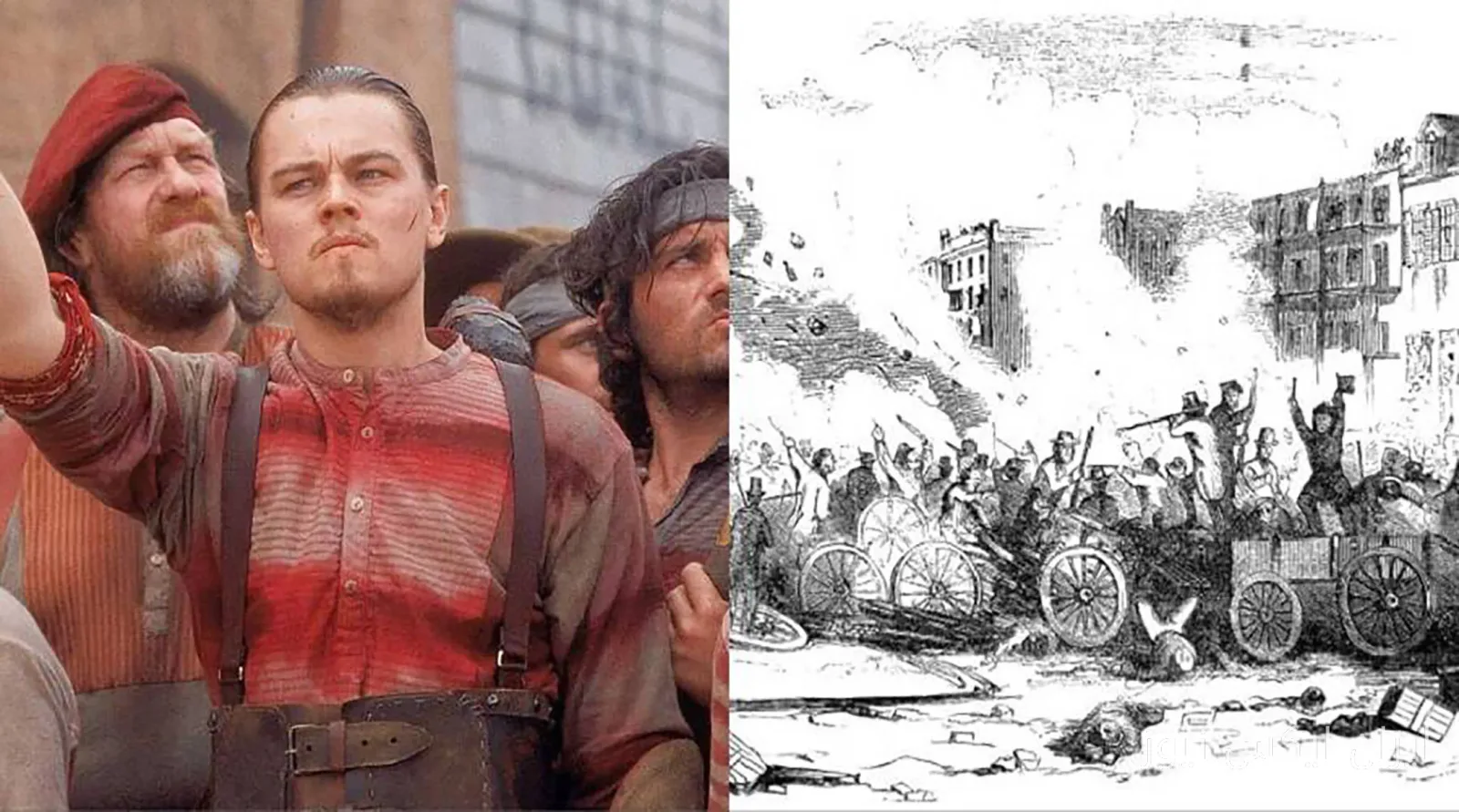
While 'Gangs of New York' is regarded as one of cinema's masterpieces, serious questions have now arisen regarding the historical accuracy of this film. Renowned director Martin Scorsese focuses on the bloody battles between Irish immigrants and the anti-immigrant group 'The Bowery Boys', but is this depiction of history truly accurate?
A New Narrative of New York History
Recent research by an American historian suggests that Scorsese's portrayal of Irish and Catholic immigrants in the notorious 'Five Points' neighborhood may be incorrect. This neighborhood, in the mid-19th century, became one of the hot spots in New York's history due to severe conflicts and political corruption. The battles between various gangs and anti-immigrant groups present a complex picture of society at that time.
The aforementioned historian, by examining historical documents and credible sources, points out details that call Scorsese's narrative into question. Were these conflicts truly as depicted in the film? Or might there be other aspects of this story that have been lost in the shadows of cinematic legends?
The Impact of Cinema on History
Cinema has always had a unique power in shaping historical narratives. The film 'Gangs of New York' not only reflects historical events but has also influenced how future generations understand history. Now that it seems this narrative is not entirely accurate, is it not time for filmmakers to be more precise in recounting history?
This new research has been published at a time that prompts cinema and history enthusiasts to reflect. Should we view cinematic narratives as absolute truth, or should we be in search of hidden historical truths?