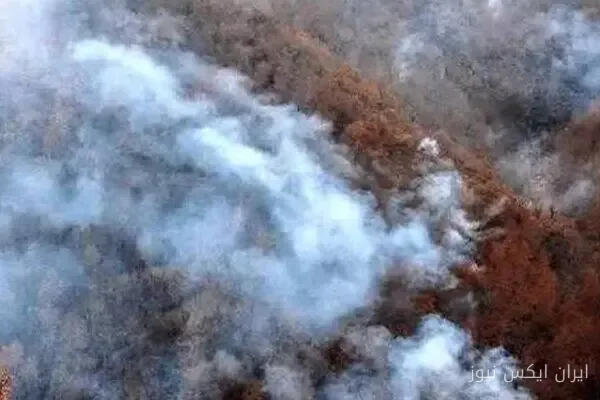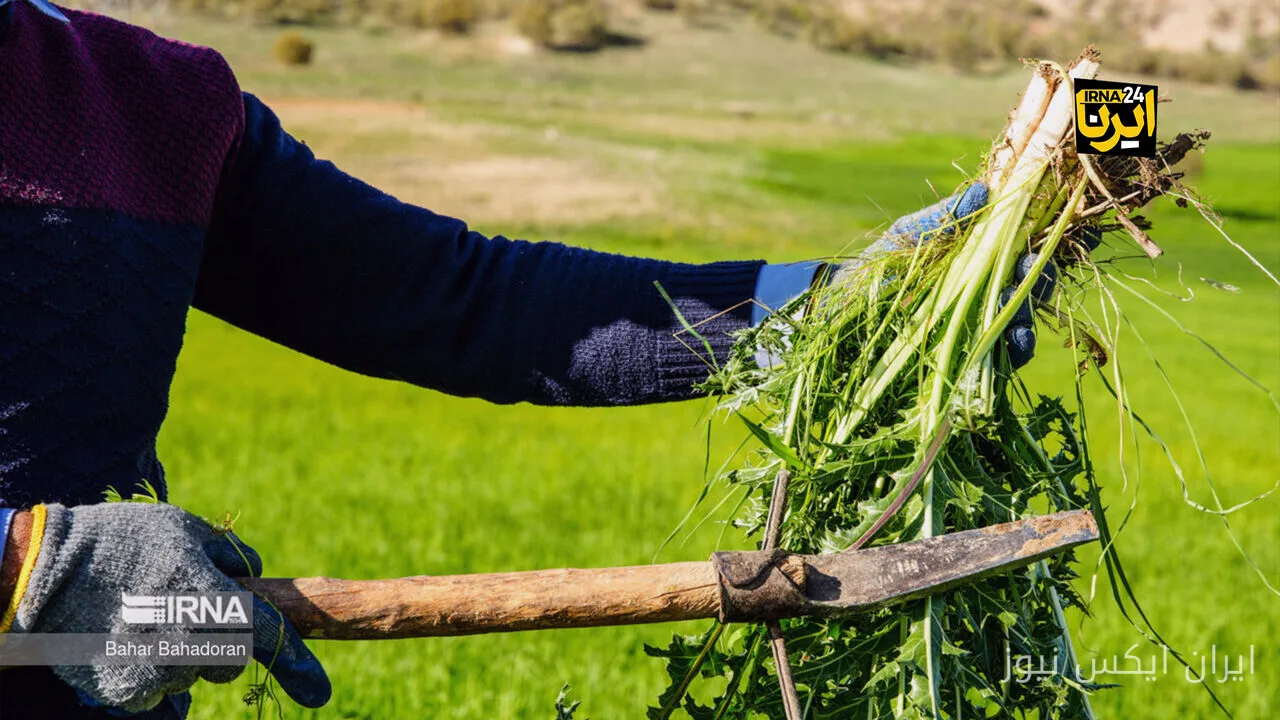
The excessive harvesting of medicinal plants in Iran has become a concerning issue. Currently, 30 species of these plants, which have long been recognized in the country's nature, are at risk of extinction. This situation not only poses a threat to the country's biodiversity but can also have negative effects on the environment and local communities.
Consequences of Extinction of Medicinal Plants
Maryam Makizadeh, head of the Medicinal Plant Ecology Group at the Forests and Rangelands Research Institute, points out that the removal of these plants from nature can exacerbate natural phenomena such as floods and dust storms. Medicinal plants are recognized as valuable resources for traditional and modern treatments, and their extinction could lead to a decrease in therapeutic diversity and an increase in health problems in society.
Proposed Solutions for Revival
Makizadeh emphasizes that the revival and sustainable cultivation of these plants is the only effective solution to address this crisis. She believes that by implementing sustainable cultivation programs and protecting natural resources, not only can the extinction of these plants be prevented, but it can also contribute to the economic development of local communities. The development of tourism related to medicinal plants and the creation of new jobs will be among the benefits of this approach.
In a situation where natural resources are under pressure, paying attention to the protection of medicinal plants and their sustainable use is not only a necessity but also an opportunity to improve the quality of life and preserve the environment. Is it not time to address this issue with greater seriousness?