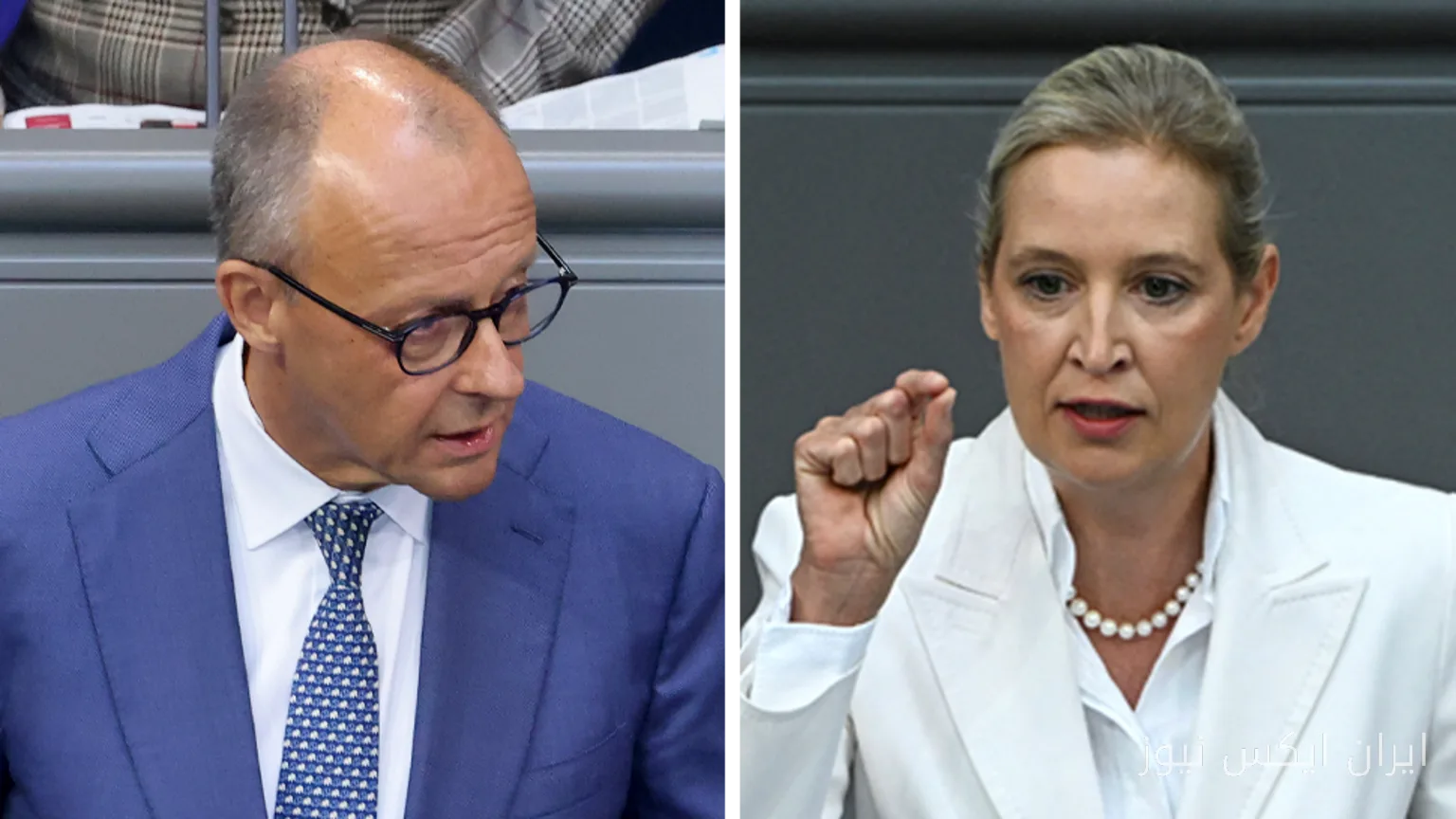
In a tense and controversial debate, the Chancellor of Germany fiercely attacked the policies of the far-right AfD party. The recent victories of this party in elections have once again drawn attention to its controversial policies. Merz specifically criticized the leader of the AfD, Alice Weidel, comparing her immigration policy to ethnic cleansing to attract skilled labor.
Rising Tensions in the German Political Scene
This debate, held in the German parliament, reflects the increasing tensions among the political parties in the country. Merz, with his sharp criticisms, demonstrated how extremist policies can impact the social structure of Germany. He emphasized the importance of diversity and coexistence in society, warning that extremist policies could lead to division and social tensions.
Weidel, the leader of the AfD, on the other hand, defended her policies, believing that Germany needs fundamental changes in its immigration policies. This clash not only highlights deep political divisions but also clearly reflects the social and cultural concerns in today's Germany.
Social and Economic Consequences
This debate and the harsh statements from both sides could have profound consequences for German society. As extremism rises, many experts are concerned that such statements could exacerbate social inequalities. Merz emphasized that immigration policies should be designed to support economic growth and sustainable development, rather than lead to division and social tensions.
Ultimately, this clash is not just a political confrontation but a reflection of the larger challenges that Germany and Europe face in the 21st century. Can this country adhere to a path of coexistence and diversity, or will it move towards extremism and division?