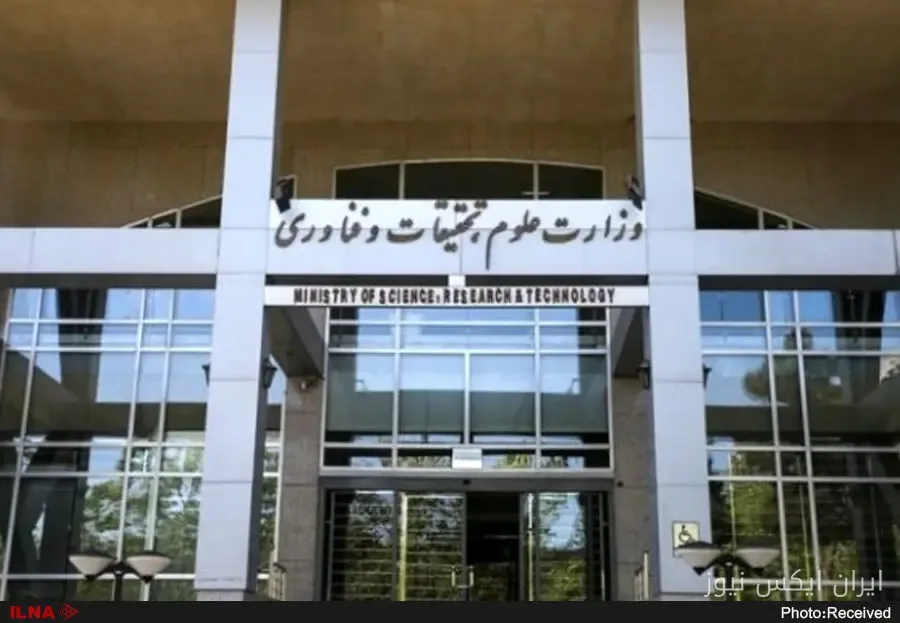
At the recent meeting of university and higher education, research, and technology leaders, the Deputy Minister of Education, Research, and Technology unveiled a new approach for the academic year 1405-1406. This approach, known as "Smart and Resilient Blended Education," signifies the return of in-person education as the main focus of education in universities.
Blended Education; from necessity to smart capacity
Given the challenges posed by the global pandemic and the need to adapt to new conditions, virtual education had become an emergency solution in recent years. However, now the Ministry of Science intends to position this method as a complementary and smart capacity alongside in-person education. The goal of this approach is to create a balance between the two educational methods and to leverage the advantages of each.
This shift in approach, especially as society seeks to return to normal life, could herald a transformation in the way education and learning occur. The Deputy Minister of Education emphasized that this method not only allows students to learn in a familiar and in-person environment but also utilizes technological tools to enrich the educational experience.
Challenges and Opportunities
Despite these changes, challenges also lie ahead for universities. Professors and universities must prepare themselves for this blended education and focus on teaching skills and the use of new technologies. Additionally, creating suitable infrastructure and securing necessary resources for this educational method is essential.
This new approach could be an opportunity to enhance the quality of education and strengthen social interactions among students. As in-person education gradually returns, it remains to be seen whether these changes will lead to an improvement in the quality of education at universities.