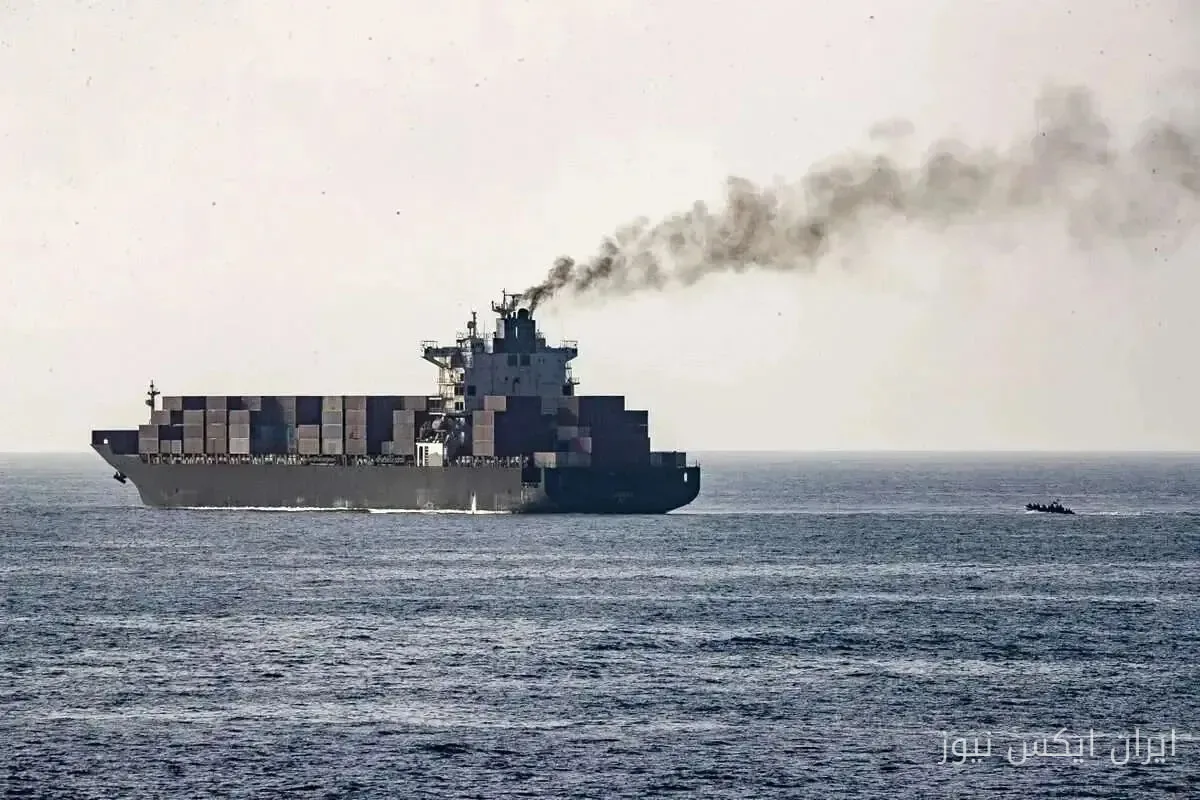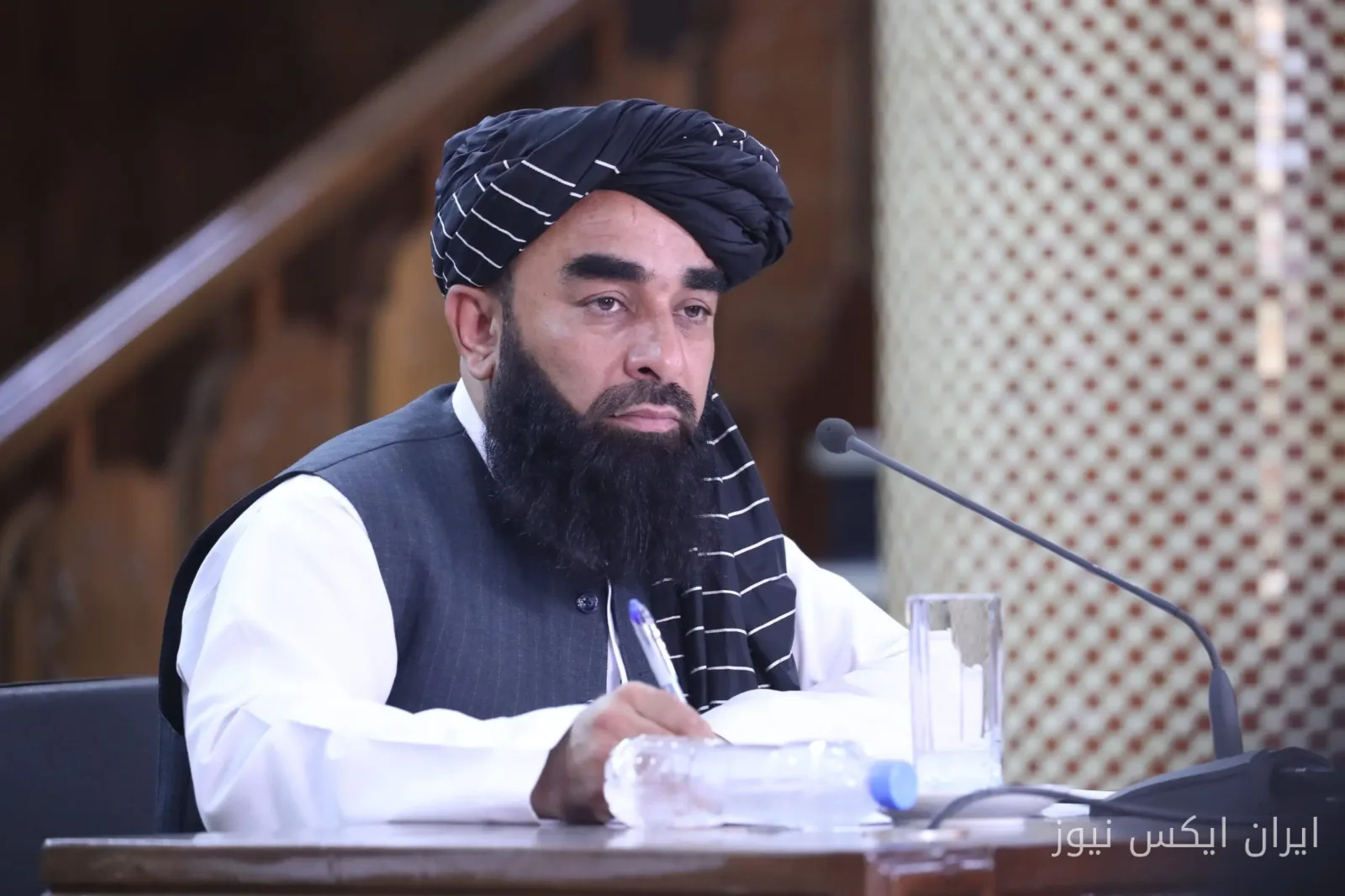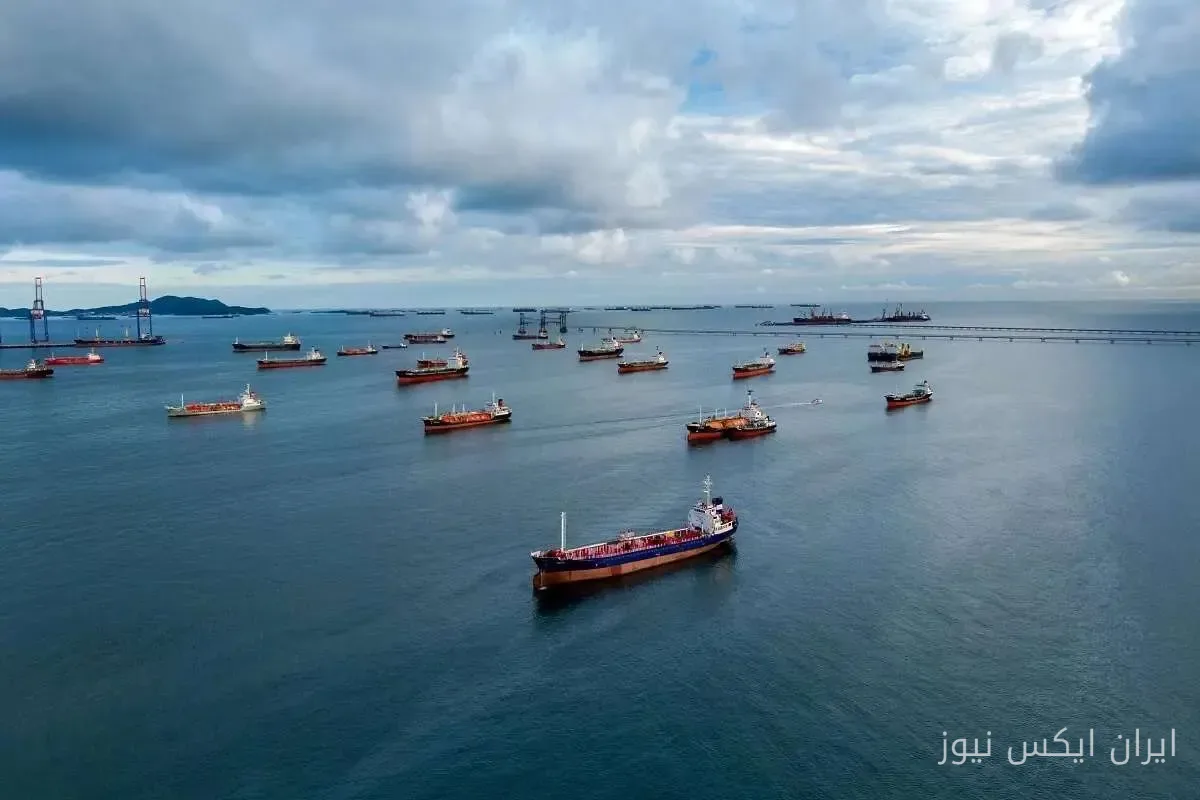
The Persian Gulf, as one of the most important and sensitive geographical areas in the world, is currently in a complex and critical situation. The simultaneous crises in the Strait of Hormuz and Bab-el-Mandeb have intensified tensions and placed the Persian Gulf in a state of being 'between the jaws of a vise.' In this context, Mohammad Al-Sharqawi, a reputable professor of international dispute resolution, has strongly criticized U.S. policies and warns of the consequences of these developments.
Regional Crises and Washington's Policies
Al-Sharqawi pointed out that the U.S. does not consider the interests of the countries in the Persian Gulf when managing tensions, stating that this approach only exacerbates problems and instability. He emphasized that any confrontation with Tehran should take into account the interests and needs of neighboring countries; otherwise, these tensions could lead to a major disaster.
He also stated that America's unilateral approach to crisis management serves only its own interests and puts Gulf countries at greater risk. Al-Sharqawi criticized the lack of attention to the history and culture of the region, stressing the need for effective dialogue among the countries in the region.
Long-term Effects of Crises on Regional Security
This university professor, looking at the current situation, predicted that if this trend continues, the Persian Gulf will not only become a battlefield but will also affect the security and stability of the entire region. This issue becomes even more significant given the impact on oil prices and the economic conditions of the countries in the region.
Ultimately, Al-Sharqawi called for a new approach to resolving disputes and crises in the Persian Gulf, emphasizing that only through cooperation and dialogue can a sustainable solution be achieved. Undoubtedly, his analysis reflects serious concerns about the future of this region.