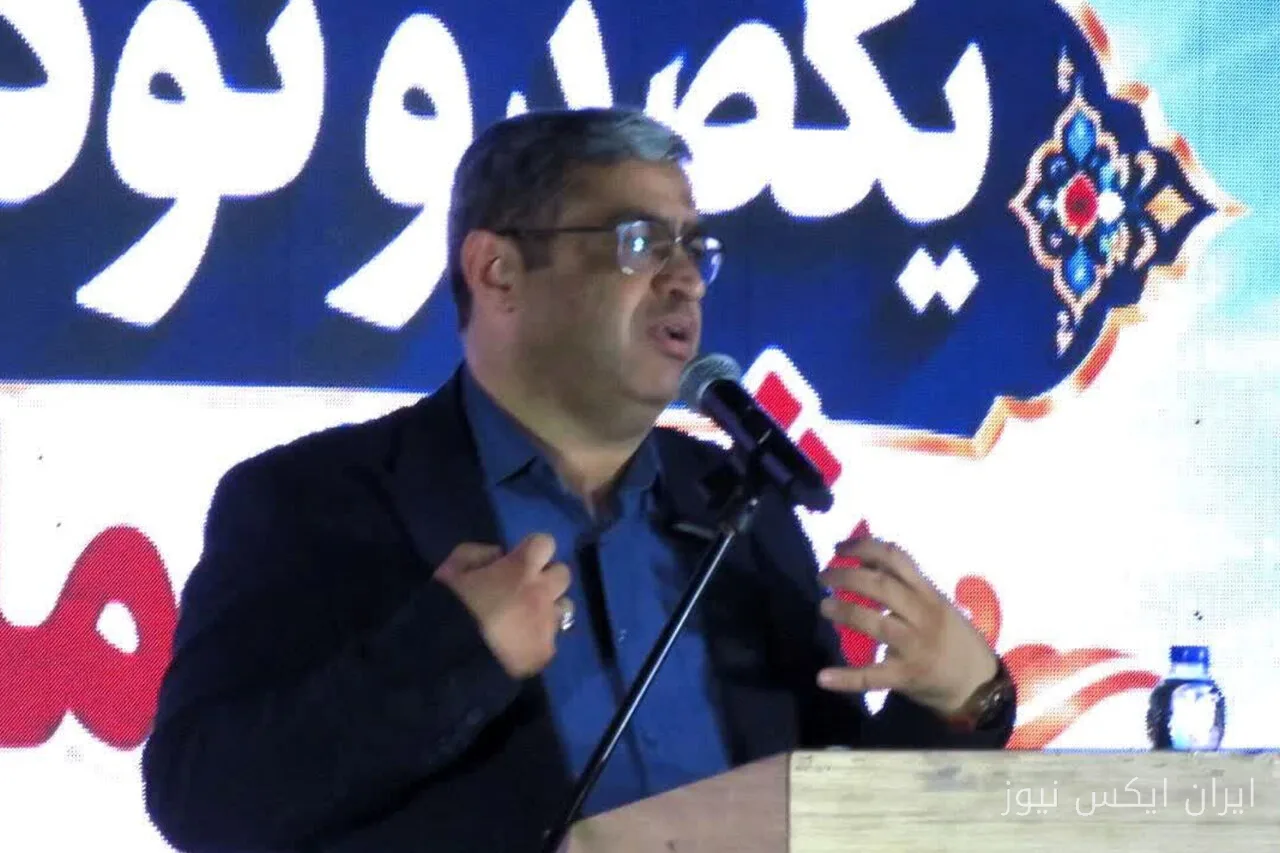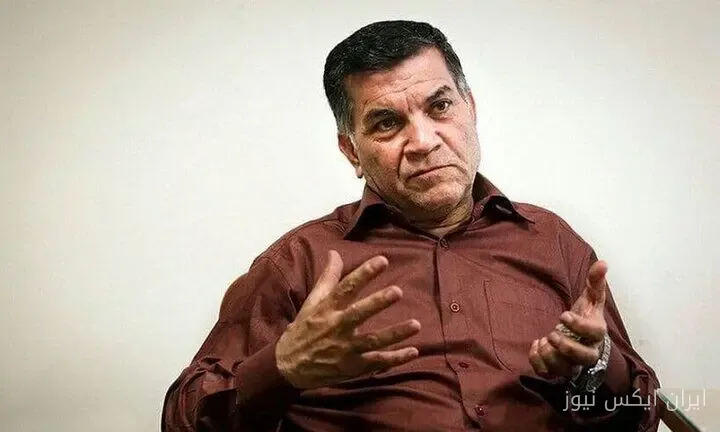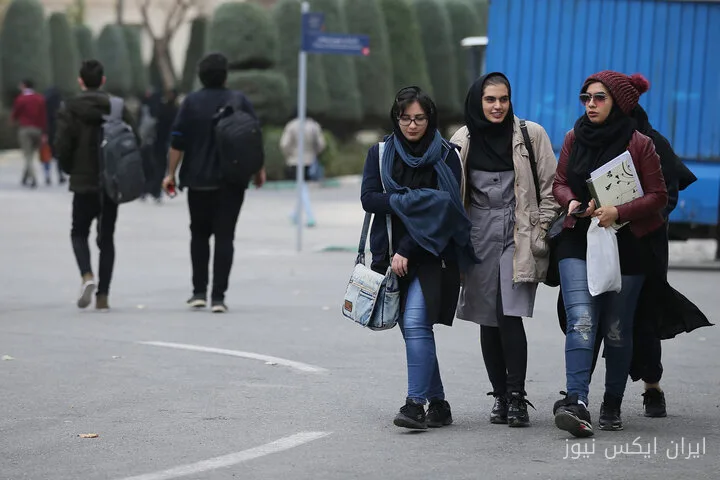
Mohammad Reza Pisepar, a university professor and former Friday prayer leader of Newcastle Mosque in England, has explored the identity crisis of Iranian youth in the digital world. Today's youth live in a world where the boundary between 'what is' and 'what is shown' becomes increasingly blurred every day. Mobile phones and social networks are no longer just tools for communication and entertainment; they have become part of the social environment in which young people define themselves and decide their place in society.
Change in the Identity Formation Process
Pisepar points out that if the identity crisis means the complete loss of identity, this interpretation is overly simplistic. He believes that what we are facing today is more about a change in the identity formation process. Today's youth live in several different environments, and each environment can have different values and expectations.
Read more: People of Yazd declared their support for the IRGC on the 197th night of resistance
Pressure of Choice and Performative Identity
This university professor states that previous generations also faced the contradiction between tradition and modernity, but the speed and extent of encountering different patterns were not as significant as today. Today's youth are confronted with hundreds and thousands of lifestyles. This volume of choice can be an opportunity, but it also increases the pressure of choice. Performative identity emerges when an individual thinks more about how they are seen rather than simply living.
Pisepar emphasizes that the virtual space has created the possibility for each individual to build a showcase of their life. This showcase may replace real life, and others' perceptions of the individual can influence their self-definition. Algorithms also play a significant role in this process. They display content that they predict will attract the user's attention based on their behavior.
Cultural Interaction and Iranian Identity
This cultural expert believes that the digital space influences cultural attitudes, but this influence does not necessarily mean a weakening of Iranian identity. He states that cultural identity becomes enduring when the new generation can connect with it and play a role in redefining it. Pisepar believes that we must discuss the interaction and sometimes conflict between Iranian and global cultures.
Ultimately, Pisepar emphasizes the necessity of dialogue within families and states that parents should move from mere control to dialogue to play a significant role in shaping the critical perspective of young people.
Read more: Widespread changes in governors and strengthening political participation in Fars · New law to prevent the publication of private images of children