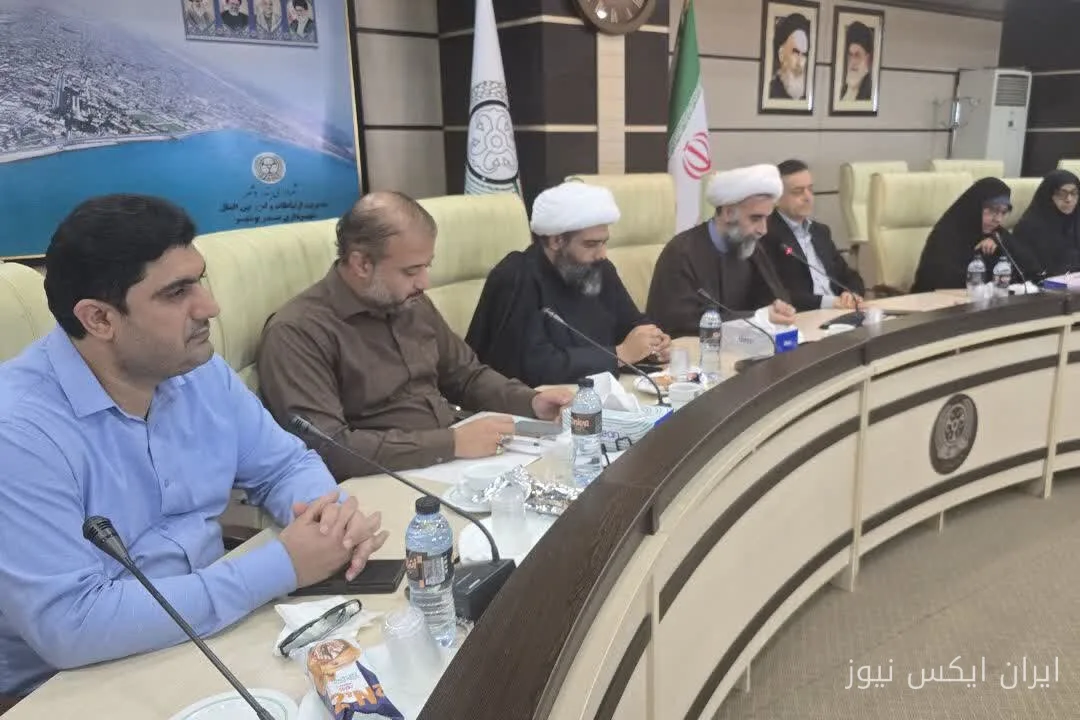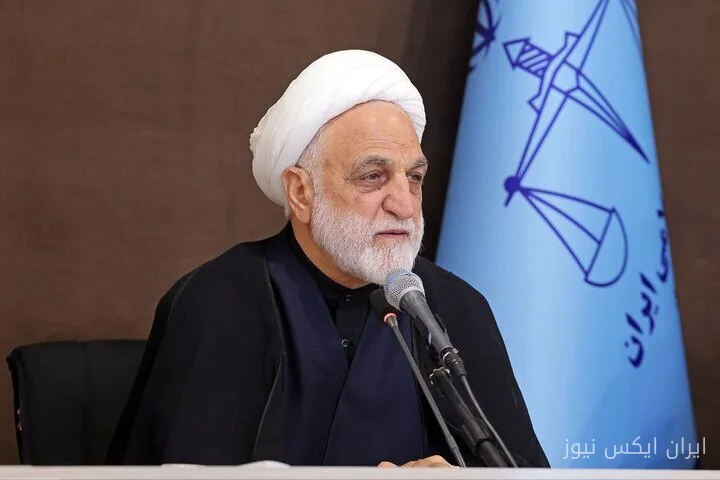
In a recent meeting, the head of the judiciary, Hojjatoleslam Mohseni Ejei, was asked a clever and highly challenging question by a member of the late Raisi's government. This government member asked Ejei whether inaction would be addressed in the current government as it was in the previous one. A question that could easily become one of the weaknesses of the new administration.
Judiciary Policies on Addressing Inaction
Ejei's response to this question is significant not only politically but also socially. While the previous government faced numerous criticisms for not addressing the violations and inactions of some ministers, this question somewhat reflects a concern about repeating the same bitter experiences in the current administration.
Mohseni Ejei, in his response, addressed the issue with particular cleverness and seemed to evade a direct answer to the question. He emphasized that the judiciary is fulfilling its duties in terms of oversight and addressing violations, but it appears that this response was more aimed at maintaining calm and preventing the situation from becoming crisis-ridden.
Impacts of Ejei's Response on the Political Climate
This response can convey different messages to society. On one hand, Ejei, as the head of the judiciary, shows that he is in pursuit of maintaining order and law, while on the other hand, there is a possibility that new criticisms of the current government may arise. Will his responses to more serious questions in the future fuel media discussions?
Ultimately, this question and its answer are a small part of a puzzle in the political landscape of Iran that will continue to attract attention and discussion. Will the judiciary and the current government be able to stand up to challenges, or will we witness a repetition of past mistakes?