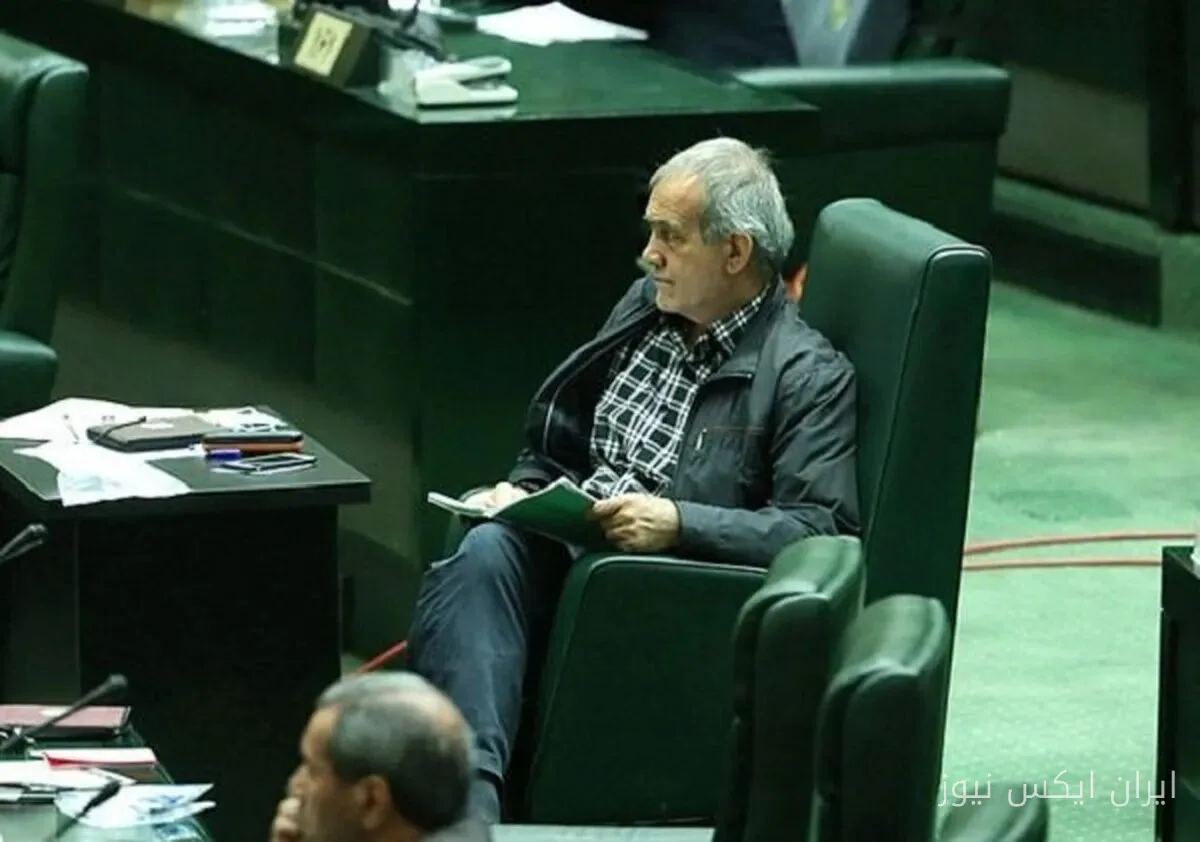
Last week, the Tuesday session of the parliament turned into one of the most controversial and serious political discussions in the country. In this session, a term that is never easily uttered by politicians came up: "coup." This heavy word not only carries a deep meaning but can also be interpreted as a form of political reckoning and internal conflicts.
Reactions of the Parliament Representatives
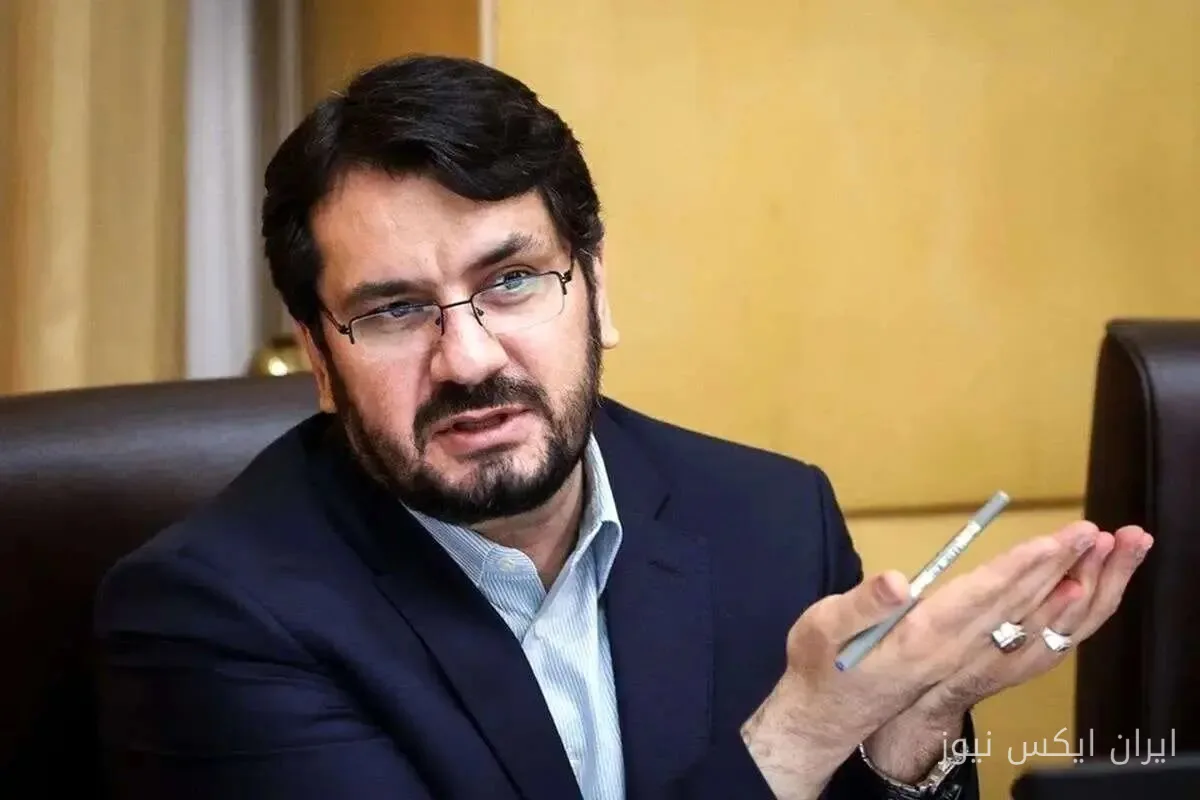
Mojtaba Zarei, a member of parliament, made sharp remarks about certain political behaviors that, according to him, could be interpreted as a form of quasi-coup. He explicitly stated that such behaviors are, in fact, a threat to the stability and security of the country. Zarei's remarks sparked a wave of reactions among other representatives.
Two other representatives also reacted to this issue, emphasizing that any attempt to disrupt the existing political order is considered a coup. They strongly criticized these behaviors and called for accountability from those accused of this type of quasi-coup.
Will Political Conflicts Lead to a Coup?
These statements and criticisms come at a time when the country is in the midst of political and social crises. Some analysts believe that such accusations and claims not only escalate tensions but could also pave the way for a more serious crisis. Can these behaviors really lead to a coup? This is a question currently on the minds of many political observers, and the answer is heavily dependent on how the ongoing crises in the country are managed.
It seems that the political atmosphere in the country is on the brink of larger transformations, and Mojtaba Zarei's statements are just the tip of an underlying issue. In this situation, there is a need for a deeper and broader perspective on political and social issues to prevent more serious crises from occurring.