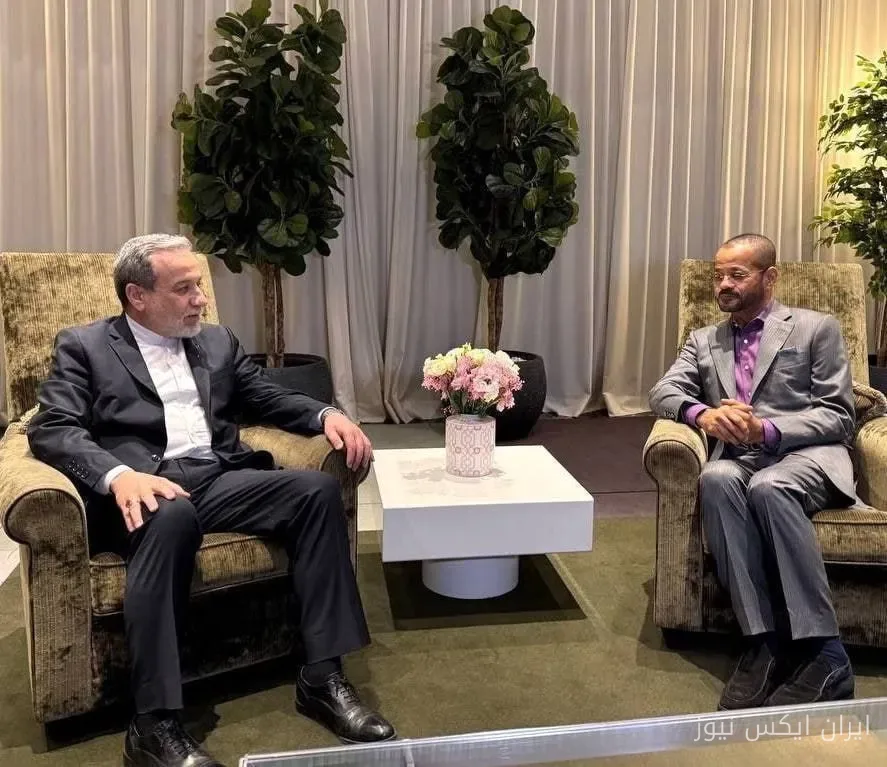
In the tense world of the Middle East, the recent meeting in Muscat with the presence of Iran and the Gulf countries could be an important step towards rebuilding security arrangements in the region. This meeting could likely pave the way for a fundamental transformation in relations among these countries and the establishment of new mechanisms for managing crises and security challenges.
Changes in Regional Relations
The Muscat meeting has attracted significant attention due to the presence of key Gulf players and Iran. Given the history of tensions and regional conflicts, this meeting could be recognized as a turning point in relations among these countries. Analysts believe that open and constructive dialogues could lead to a reduction in tensions and an increase in trust among the parties.
Iran, as a key player in the region, has always emphasized the importance of diplomacy and dialogue. On the other hand, the Gulf countries are also seeking suitable solutions to their security challenges. This meeting represents a suitable opportunity to create a comprehensive security mechanism that could contribute to regional stability.
The Future of Security in the Middle East
While the world seeks solutions to ongoing wars and crises, the Muscat meeting could lead to the establishment of a suitable environment for security and economic cooperation between Iran and the Gulf countries. If these countries can reach an agreement on key issues, we may witness a positive change in regional dynamics.
Ultimately, it remains to be seen whether this meeting can materialize and create a new charter for security and cooperation in the Middle East. Concerns and challenges still persist, but there is always hope for positive changes.