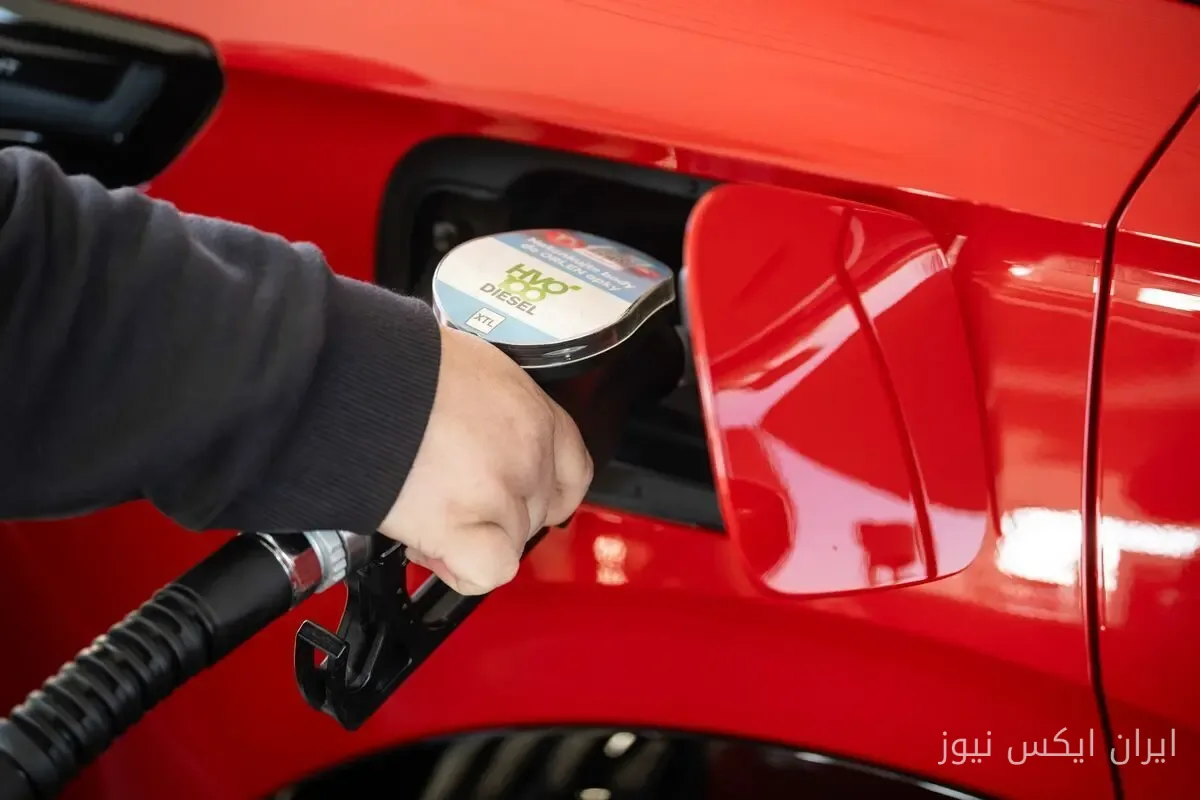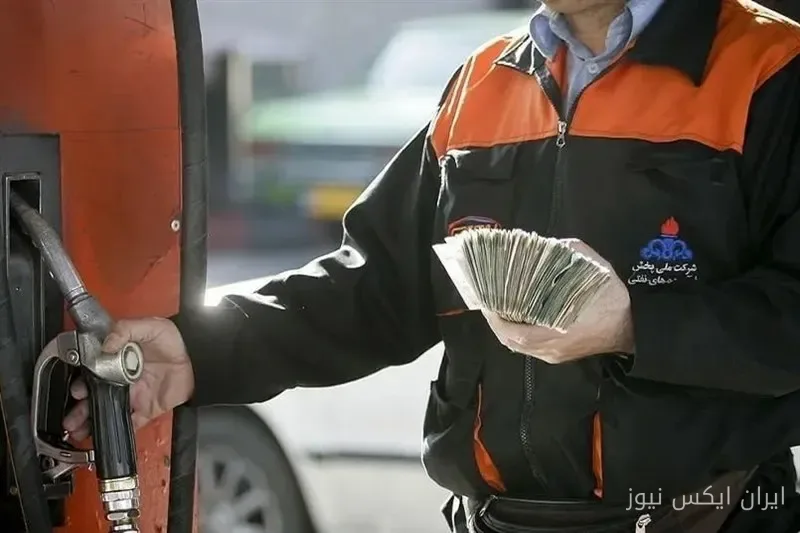
The world of passenger cars in Iran has recently been accompanied by controversial news. The National Oil Products Distribution Company has announced that it is considering increasing the quota ceiling for gasoline for newly manufactured personal vehicles to one billion tomans. This news clearly serves as a warning bell for consumers and the car market.
Review of Changes in Gasoline Quota
Considering the recent changes in the market, it seems that the National Oil Products Distribution Company has concluded that it needs to revise its policies in light of current needs. Previously, a ceiling of one billion tomans was set for allocating gasoline quotas to newly registered vehicles, but it appears that due to price fluctuations, this figure is no longer sufficient to meet needs.
This action may be a response to high market demand. While many economic experts believe that increasing the gasoline quota price ceiling could improve market conditions and increase demand, others warn that this change may place additional pressure on consumers and lead to public dissatisfaction.
Consequences of This Change for the Market
If this price ceiling increase is approved, it could have widespread effects on the car market and the consumption trend of gasoline in the country. Especially in a situation where people are looking for economic solutions to reduce their costs, this change could pose a serious challenge.
Given these developments, it remains to be seen whether the National Oil Products Distribution Company will make a final decision soon and how this change will affect the daily lives of people and the car market. Could this change lead to an improvement in economic conditions, or will it only add to existing troubles?