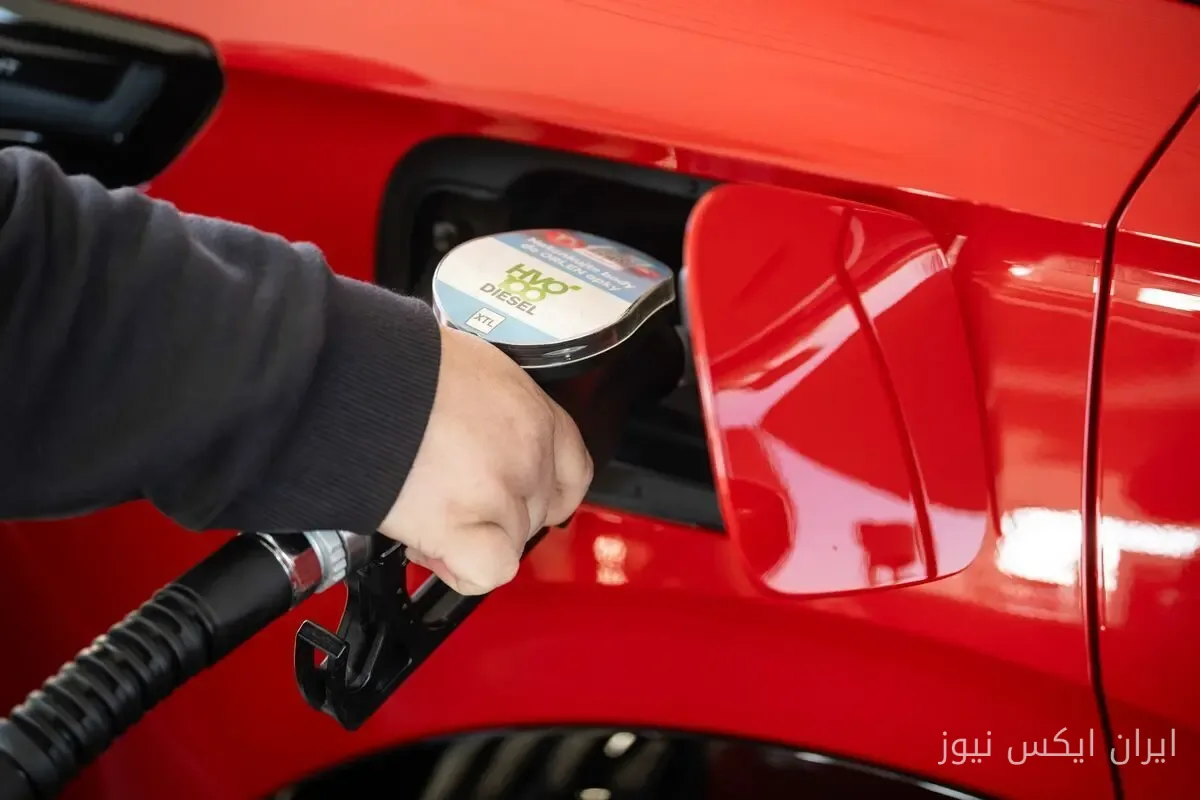
Recently, rumors about the removal of gasoline quotas for new vehicles have been circulating on social media, causing significant concern among the owners of these vehicles. However, the National Oil Products Distribution Company issued an official statement strongly denying these claims.
Rumors and Concerns
After rumors spread that new vehicles would be deprived of gasoline quotas, the owners of these vehicles became extremely worried. This concern is particularly understandable given the current economic fluctuations affecting gasoline prices in the country.
According to some reports, these rumors were informally circulated among the public, especially on social media, creating stress and anxiety among new vehicle owners. In the meantime, some individuals began to think that the government might reduce gasoline quotas for economic and financial reasons.
Official Denial
In response to these rumors, the National Oil Products Distribution Company emphasized that there has been no change in the gasoline quota policies for new vehicles, and these vehicles will continue to receive their quotas. The company also noted that any rumors in this regard are simply false news and are not true at all.
This statement from the National Oil Products Distribution Company aims to create calm among new vehicle owners and prevent the spread of baseless rumors. The company has urged the public to refrain from spreading incorrect news and rumors and to refer to official sources.
Consequences of Rumors
The dissemination of such rumors not only negatively impacts people's psyche but may also affect the sales of new vehicles and gasoline consumption. In a situation where people are seeking assurance about receiving their gasoline quotas, any incorrect news can increase feelings of insecurity in society.
The removal of gasoline quotas for new vehicles could have significant economic consequences. On one hand, this issue could affect the prices of new vehicles and lead to a decrease in demand for these vehicles. In this context, the National Oil Products Distribution Company, by denying these rumors, seeks to maintain stability in the market and provide reassurance for new vehicle owners.
Ultimately, this denial from the National Oil Products Distribution Company should serve as a warning for all of us that incorrect news and rumors can have serious consequences. Let us remember that in today's world, accurate and credible information is of special importance.