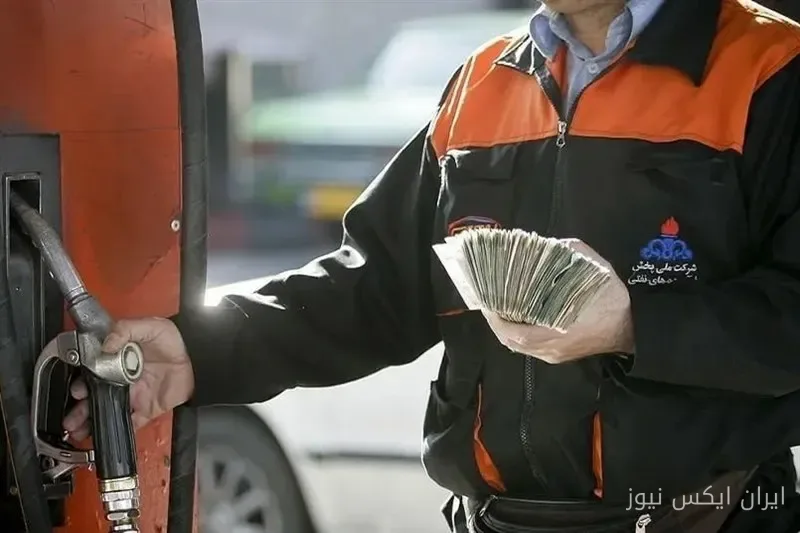
The National Oil Products Distribution Company issued a statement regarding the ambiguity of the removal of gasoline quotas for new vehicles, explaining the reasons for this action and its consequences.
Details of the Removal of Gasoline Quotas
Recently, news has emerged about the removal of gasoline quotas for new vehicles, causing concern and protests among the owners of these vehicles. According to officials, this decision was made to optimize fuel resource management and prevent potential abuses. However, owners of new vehicles applying for gasoline quotas have strongly criticized this action, deeming it unfair.
Economic and Social Consequences
The removal of gasoline quotas for new vehicles could have significant economic and social repercussions. This decision directly affects the living costs of citizens and could lead to increased traffic and air pollution. Moreover, some experts believe that this action may result in higher gasoline prices in the free market.
On the other hand, this law could fuel public dissatisfaction and social protests. Owners of new vehicles, who expected to benefit from government facilities as part of the driving community, are now faced with a decision that seems to be against their interests. This issue could lead to a decrease in public trust in government policies regarding fuel resource management.
Officials' Reactions and the Future
Officials from the National Oil Products Distribution Company emphasized in their statement that the aim of this decision is to optimize resources and prevent the violation of people's rights. However, many experts and economic analysts believe that this decision needs to be reviewed and amended. They suggest that instead of completely removing quotas, better mechanisms for monitoring and managing gasoline usage should be designed.
Ultimately, it seems that this issue requires more thorough examination, and the government may have to respond to these criticisms and make changes to its policies in the near future. Especially in a situation where society is under severe economic pressure, making unfair decisions could have irreparable consequences.