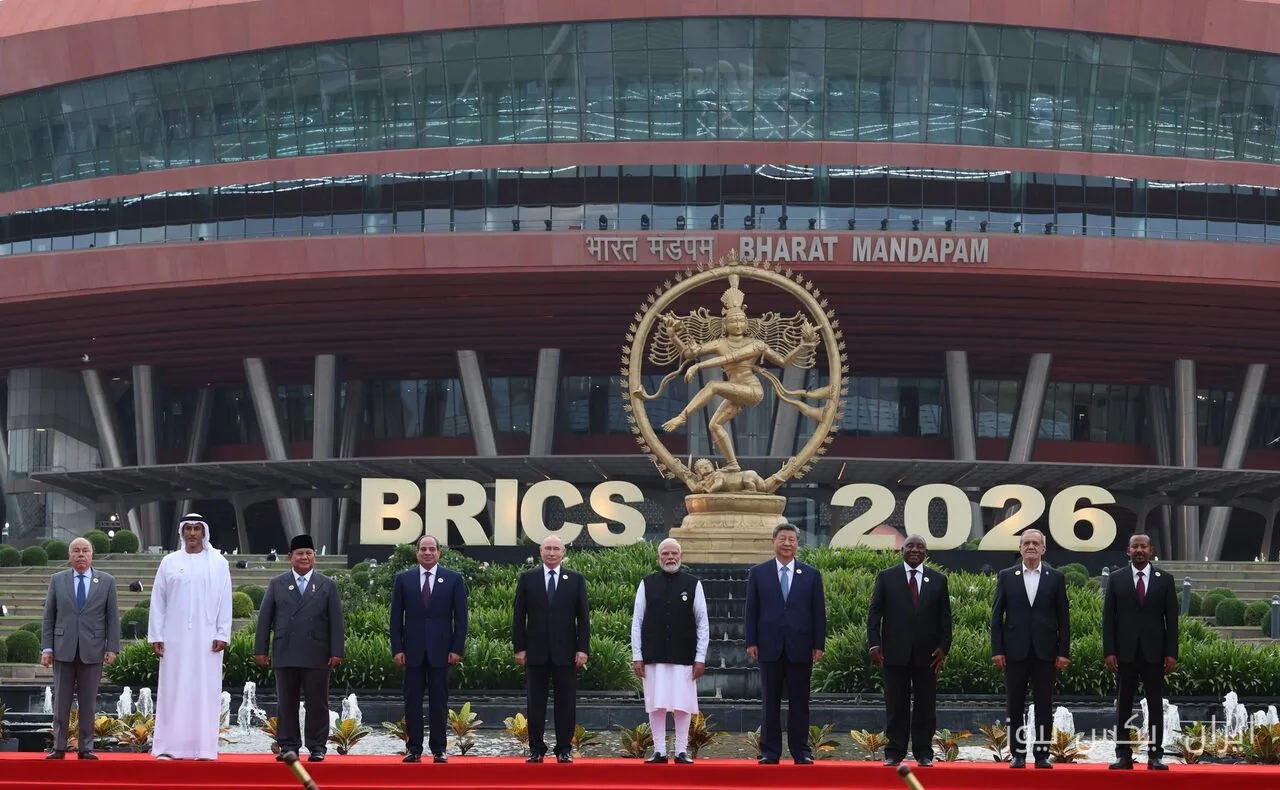
At the eighteenth summit of BRICS leaders recently held in New Delhi, a statement was issued indicating the emergence of a 'New BRICS' with fresh horizons. This summit particularly emphasized the plan for a 'new economic architecture' for the development of the Global South, which could provide a new path for economic and trade cooperation among these countries.
A Bright Future for the Global South
The proposal for this new economic architecture could help developing countries free themselves from dependence on international financial institutions and move towards a more independent and sustainable economic system. This transformation occurs at a time when many countries in the Global South are facing numerous economic and social challenges, and there is a need for creative and innovative solutions.
BRICS, which includes Brazil, Russia, India, China, and South Africa, is gradually becoming an influential economic hub on a global scale. The emergence of the 'New BRICS' indicates that these countries are seeking to expand their influence in the international arena and create a stronger economic network. This summit clearly demonstrated how BRICS countries can stand united against global challenges, including economic and environmental crises.
Challenges and Opportunities
While these promising developments are on the horizon, there are also many challenges facing BRICS member countries. International economic cooperation often encounters various political and economic barriers, and to achieve these goals, countries must undertake joint efforts in various areas, including infrastructure, technology, and knowledge exchange.
However, this summit and the proposed plans could be recognized as a turning point in the economic history of the world; as BRICS seeks to build a new and independent future for the Global South. These developments could rapidly take shape and prompt other countries to consider new economic cooperation.