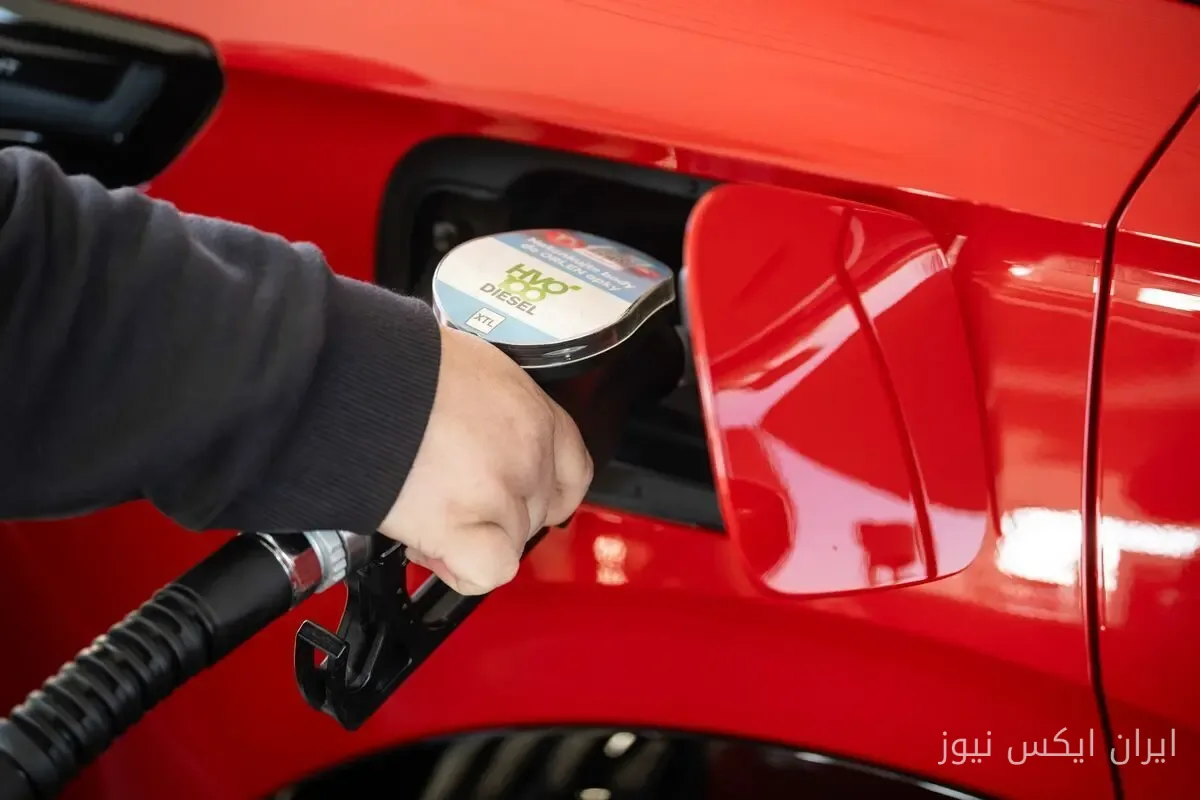
With the new changes in gasoline policies, all private vehicles except for government, imported, and free zone vehicles are subject to the new gasoline quotas. These quotas are defined in such a way that for each vehicle, 60 liters of gasoline is allocated at a rate of 1500 tomans and 50 liters at a rate of 3000 tomans.
Differences in Quotas for Owners of Multiple Vehicles
However, the interesting point is that owners of multiple vehicles will only receive this quota for their first vehicle. In other words, vehicles beyond the first for these owners will not have any quota. This decision clearly indicates the government's efforts to manage financial resources and also control fuel consumption in the country.
In this regard, it is expected that these changes will somehow affect the price of gasoline in the free market as well. Given that the price of gasoline in the free market is significantly higher than the quota rate, some vehicle owners may be driven to purchase free gasoline due to insufficient access to quotas. This issue could lead to increased demand and consequently higher prices in the free market.
New Challenges for Vehicle Owners
Under these circumstances, private vehicle owners will face new challenges. The new restrictions on gasoline quotas may put more pressure on households and raise the question of whether these policies will effectively improve the economic situation of the country or not.
Ultimately, these changes in gasoline policies could be seen as a test for the government, a test to see whether it can successfully manage the country's fuel resources optimally or not.