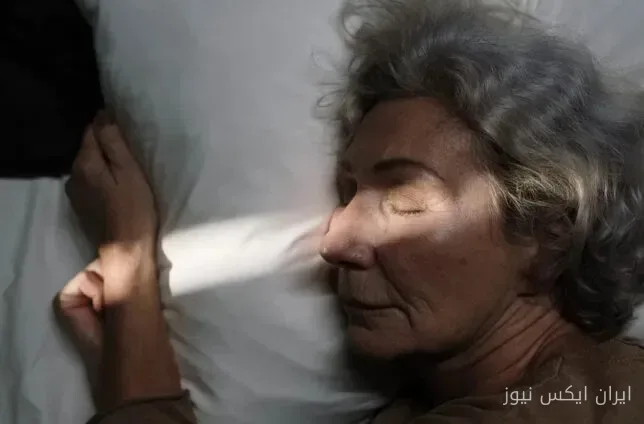
A new study shows that even the smallest amount of light during sleep, such as the light from a phone screen at its lowest brightness, is associated with potentially damaging changes in the structure and function of the heart. According to the findings of this study, light pollution during nighttime sleep, even at the level of moonlight or a beam coming through a crack in the door, can affect human heart health.
Effects of Light on the Cardiovascular System
In this study, researchers examined the effects of light on the cardiovascular system and concluded that low-light conditions, especially at night, can disrupt the normal functioning of the heart. This research shows that light can affect biological activities in the body even at low levels, leading to changes in heart rate and blood pressure.
Causes and Consequences of Light Pollution
Light pollution is recognized as a global problem that, in addition to affecting sleep, can lead to serious health issues. In this research, scientists investigated various ways light impacts the body and demonstrated that human biological systems are sensitive to light, and any changes in lighting conditions can lead to the onset of cardiovascular diseases.
Health experts and doctors believe that to maintain heart health, special attention should be paid to the light in the sleep environment. They recommend that individuals avoid artificial lights while sleeping and instead use natural methods such as complete darkness or low natural light.
Strategies to Reduce Light Pollution
To reduce light pollution and maintain heart health, several actions can be taken. These actions include using thick curtains to block light from entering the bedroom, utilizing low and natural light during nighttime, and reducing the use of digital screens before sleep. Additionally, changing sleep habits and adjusting sleep schedules to sleep during dark hours can be effective.
Ultimately, this research shows that light, even at low levels, can have serious effects on heart health, and individuals need to pay more attention to the light in their sleep environment. By following simple tips, one can improve sleep quality and heart health.