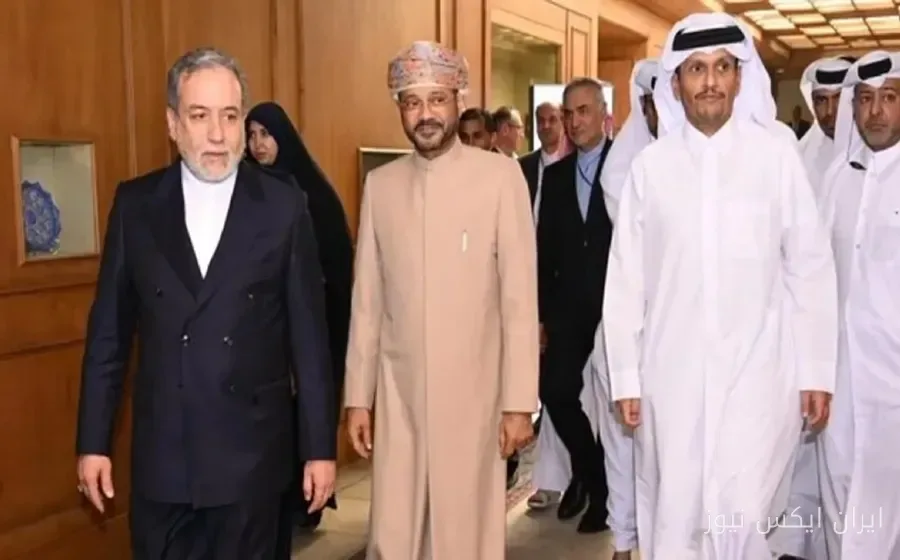
The meeting between Iran and the Arab Gulf countries, which is set to take place on Tuesday in Oman, is seen as an opportunity to discuss various issues, including the Strait of Hormuz. However, according to a senior Iranian official, this meeting is not expected to lead to the signing of an agreement regarding this critical waterway.
Challenges of the Strait of Hormuz
The Strait of Hormuz, considered one of the most important waterways in the world, has always been in the spotlight of international attention due to its strategic location. This waterway is recognized as the main route for oil exports from the Gulf countries to global markets, and any tension in this region can have widespread effects on global oil prices and energy security.
Despite this importance, the upcoming meeting in Oman seems to function more as a platform for exchanging views and examining existing issues in the relations between Iran and the Arab Gulf countries, rather than leading to a final and solid agreement. In fact, this Iranian official has stated that there are no specific expectations from these discussions, and they will be more advisory and symbolic in nature.
The Future of Iran and Arab Countries Relations
In recent years, Iran's relations with some Arab Gulf countries have experienced tensions due to various issues, including Iran's nuclear program, regional crises, and geopolitical rivalries. Meetings like this can be seen as a step towards reducing tensions and improving relations, but the existing political and economic realities may hinder the achievement of serious agreements.
It seems that this meeting, amid regional ambiguities and challenges, will remain merely an opportunity for dialogue and will not reach the expected agreement. In this context, it remains to be seen whether the countries present at this meeting can find a solution to the issue of the Strait of Hormuz or not.