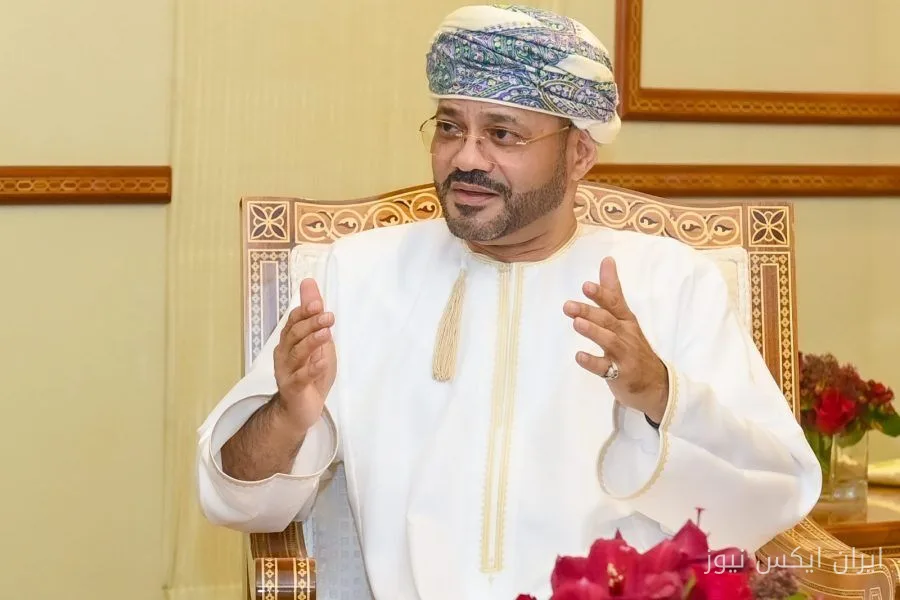
In an unexpected turn of events, the Foreign Minister of Oman announced that the scheduled meeting aimed at reaching an agreement regarding the Strait of Hormuz, which was set to take place on September 14, 2026, in Salalah, has been postponed. This news comes as the Strait of Hormuz is recognized as one of the most critical maritime and energy transit points in the world.
Impact of the Meeting's Postponement
The Strait of Hormuz, through which about 20% of the world's crude oil passes, has always been a sensitive geopolitical point in the Middle East. The postponement of this meeting could raise concerns about shipping security and energy supply in the region, especially as tensions between various countries in the Persian Gulf have escalated.
Oman, as a historical mediator in regional disputes, has always sought to help reduce tensions and foster constructive dialogues by holding similar meetings. However, with this postponement, questions have arisen about the future of these efforts and the potential for increased tensions in this strategic region.
Future Outlook
Now, we must wait and see when Oman will be able to reschedule this meeting and what actions will be taken to ensure security and stability in the Strait of Hormuz. As many countries in the region seek to strengthen their relations and reduce tensions, this delay could provide an opportunity to reassess the diplomatic and economic strategies of the Gulf Cooperation Council countries.
Ultimately, this decision by Oman may reflect changes in the approach of regional countries towards security and economic issues and could influence future developments in the Persian Gulf.