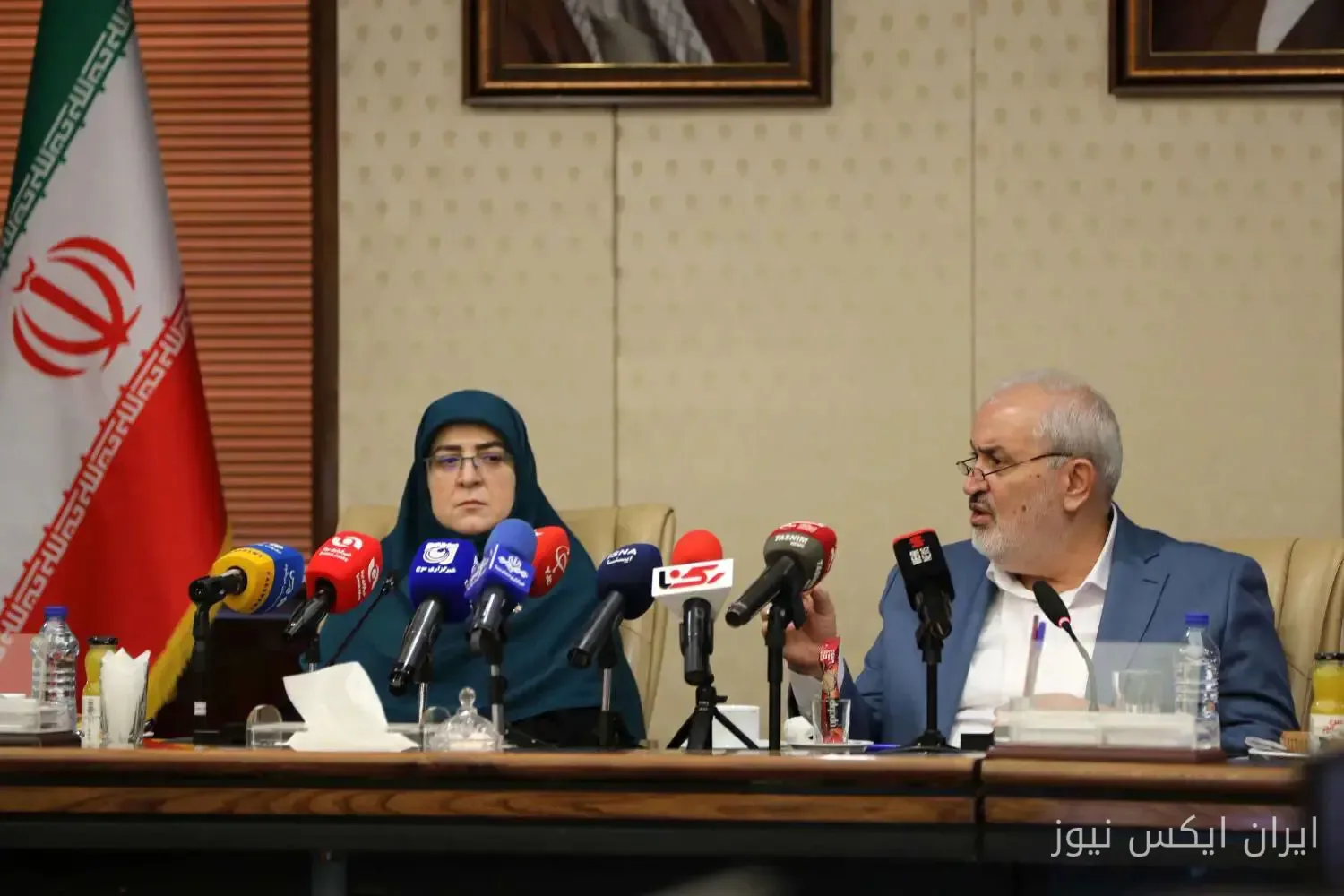
The 25 Degree Campaign, an initiative aimed at reducing energy consumption, has recently received widespread support from the public. This commendable participation demonstrates public awareness and active involvement in line with national goals. However, a fundamental question arises: Is it really the case that the imbalances and existing problems in this area rest solely on the shoulders of the people?
The Role of People in Energy Imbalance
Experience has shown that public participation in social and economic campaigns can have significant positive impacts. Nevertheless, in the discussion of energy imbalance, it seems that responsibilities have not been fairly distributed. Many experts believe that the main problems in this area stem from incorrect policymaking and a lack of necessary infrastructure.
The 25 Degree Campaign is not only an opportunity to reduce energy consumption but also allows people to raise their voices against issues that are beyond their control. This movement reminds people that alongside individual efforts, officials and relevant institutions must also fulfill their duties.
Shared Responsibilities or Blame on the People?
In examining the causes of energy imbalance, it should be noted that people are only one part of this equation. Issues such as mismanagement of resources, administrative corruption, and lack of transparency in the performance of institutions are all factors that must be considered alongside public participation. In other words, although people play an active role in the 25 Degree Campaign, we must not forget that energy imbalance is a complex and multifaceted issue that requires collective cooperation and attention.
Therefore, while people are recognized as the real heroes of this campaign, the main responsibilities should also be lifted from their shoulders and transferred to the relevant institutions. It is time for the voices of the people to be heard and for serious and effective actions to be taken in this regard.