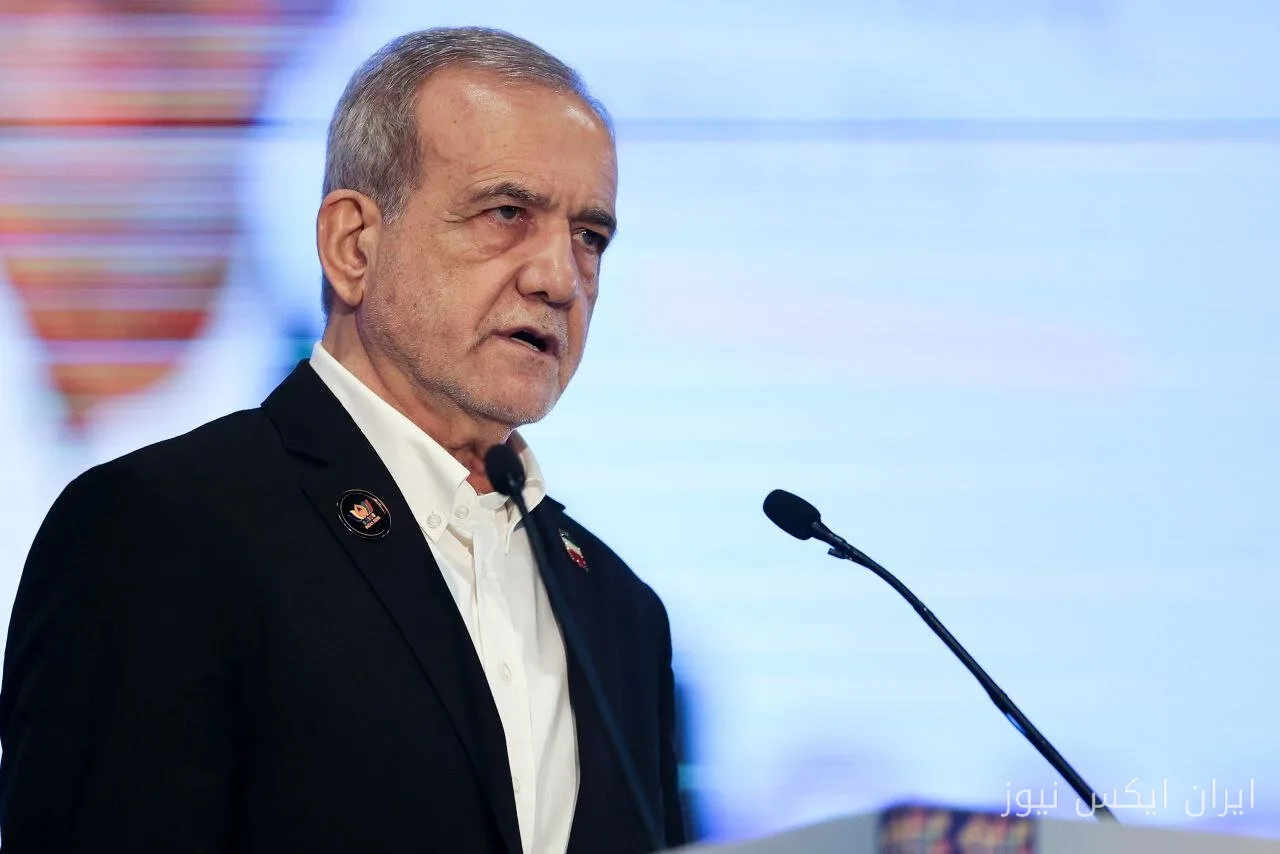
In the tumultuous world of politics, the tweets of some officials can be decisive. In the latest developments, Pezeshkian, the President, spoke in English about the power and will of the Iranian people. He reminded the Americans that "our people cannot be forced into submission" and emphasized that "Iran will not surrender."
Challenges Ahead
These statements come at a time when tensions between Iran and the United States have reached their peak. Pezeshkian confidently referred to the bravery and resilience of the country's military forces and urged the Americans to come to the field if they have the courage. These words clearly indicate Iran's unpreparedness to surrender to external pressures and threats.
Pezeshkian has posed a kind of challenge in this tweet, raising the question in minds whether the United States is truly ready to confront Iran's military forces? While Iran's military power is recognized as a deterrent factor in the region, Pezeshkian's statements may be perceived as a strong message to the opposing parties.
Implicit Messages
However, in the political process, every word and statement can have its specific consequences. Pezeshkian's remarks are seen not only as a defense of Iran's territorial integrity and independence but also as a call for solidarity and national unity. He is attempting to strengthen national morale with this message and encourage the people to stand firm against external threats.
It seems that this tweet acts as a sign of Iran's firm resolve to confront external pressures and threats, and in a way tells the Americans that it is time to think about dialogue and cooperation instead of threats. Meanwhile, many questions arise about the future of Iran-U.S. relations and whether such statements can lead to changes in the policies of the two countries or not.