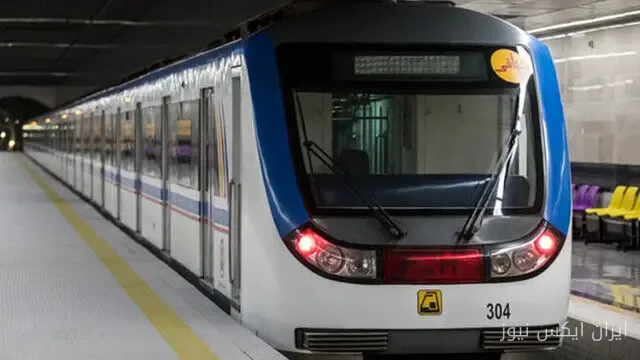
In a new initiative, the CEO of Tehran Metro Operating Company announced positive changes in the scheduling of train movements on Line 7 of the metro. This change in train intervals will lead to reduced waiting times for passengers and improved metro services. With the minimum interval reduced from 13 to 11 minutes, 8 new passenger movements will be added to the daily schedule of Line 7.
Impact on Metro Service Quality
This change will directly affect the travel experience of passengers. Shorter intervals mean reduced waiting times and easier daily commutes in the capital. Given the increasing population and the need for efficient public transportation, this change could be an important step towards improving the quality of metro services.
The CEO of the metro operating company also mentioned that these changes are in line with the company's developmental plans, with the main goal being to increase passenger satisfaction and enhance service levels. In recent years, the metro has become one of the main and most popular modes of transportation in Tehran, and these measures could help attract more passengers.
Consequences of Reduced Intervals
With the addition of 8 new movements to Line 7, it is expected that the number of passengers using this line will increase. These changes will benefit not only the passengers but also the entire public transportation system. Considering that the metro is recognized as a fast and cost-effective option for travel in Tehran, reducing intervals could also help decrease traffic and air pollution.
Moreover, this change aligns with urban macro policies aimed at sustainable development and improving the quality of life in Tehran. With the increase in metro movements, citizens are encouraged to use public transportation more, which can help reduce the use of personal vehicles and consequently decrease traffic and pollution.
Ultimately, this new schedule not only reflects attention to passenger needs but also represents an effective step towards improving public transportation infrastructure in Tehran. It remains to be seen in the near future whether these changes will fully enhance the quality of metro services or not.