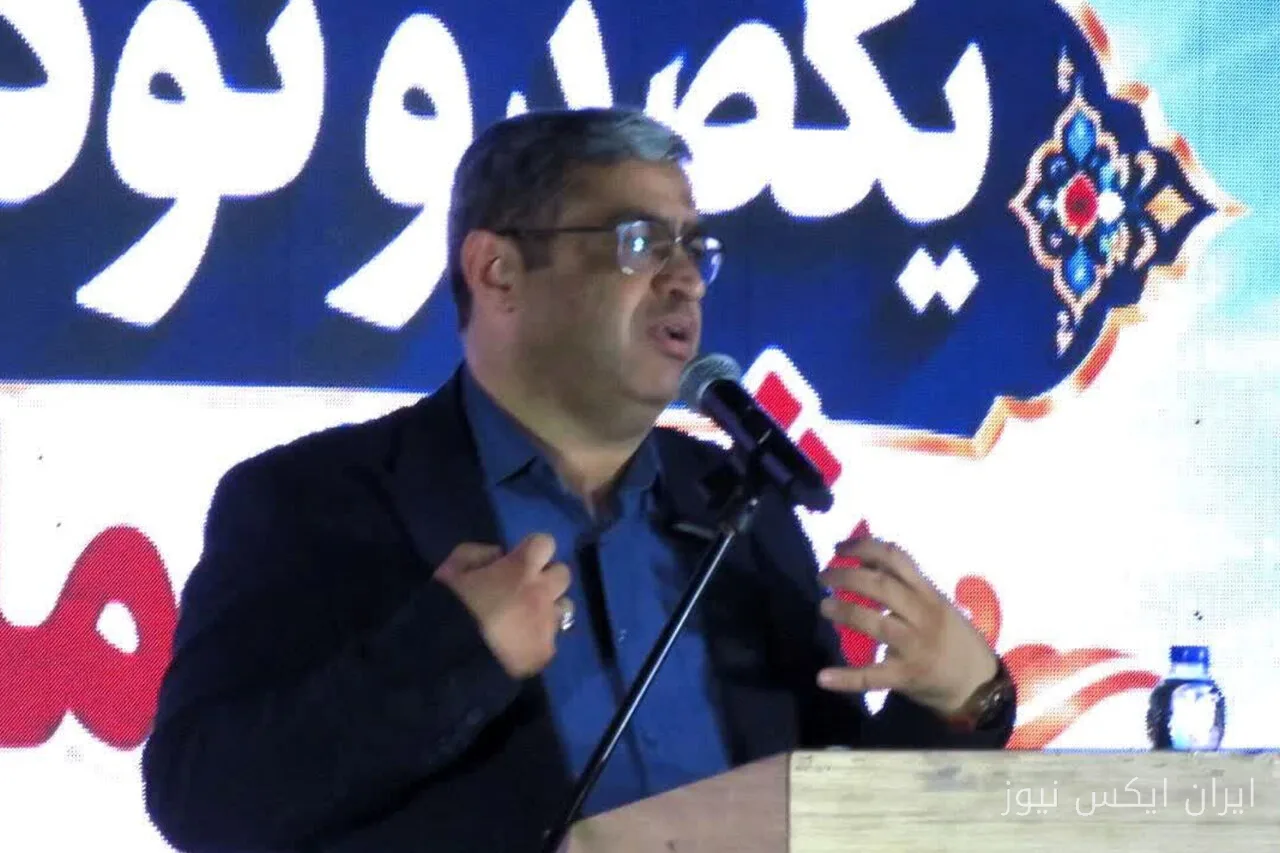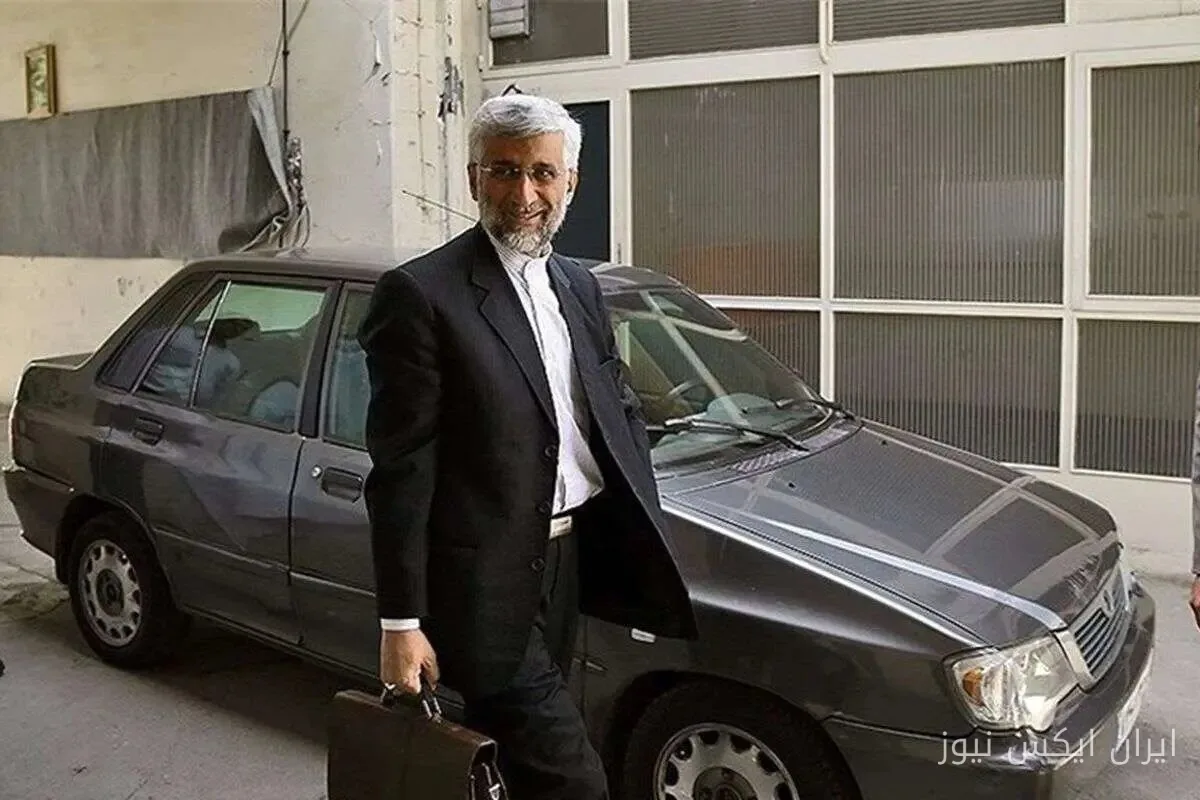
Saeed Jalili has recently mentioned the concept of the Treaty of Hudaybiyyah in his statements, an action that reflects changes in the political rhetoric of opponents of nuclear negotiations. This term, which has been discussed in the political literature of the country for years, is now attracting the attention of those who were vehemently opposed to nuclear negotiations until yesterday.
History of Jalili's Political Rhetoric
Jalili, who has been recognized in recent years as one of the staunch opponents of nuclear negotiations, has previously criticized the JCPOA in various debates with Mohammad Javad Zarif, the foreign minister of the twelfth government. In one of these debates, Jalili pointed out the failure to lift sanctions under the JCPOA, to which Zarif responded by referring to the history of sanctions and anti-Iran resolutions.
Read more: The people of Amol have solidified their determination to uphold the ideals of the revolution
He has also criticized the economic and political conditions of the country at various ceremonies and reacted to the government's efforts to revive the JCPOA and negotiate with the Biden administration. Jalili tweeted: "Worse than the enemy's economic pressure is that some inside the country say that if necessary, we will negotiate again." These statements reflect Jalili's consistent stance against negotiations.
Transformation in Political Rhetoric
However, Jalili's recent reference to the Treaty of Hudaybiyyah indicates a change in his political rhetoric. Until now, Jalili and his like-minded colleagues have strongly opposed any negotiations with the United States and have shouted harsh slogans against negotiation opponents. But now, his reference to Hudaybiyyah could signify a new opportunity for changing circumstances.
This change in political rhetoric means that not everything can be summarized in the binary of war and resistance. Hudaybiyyah, as an opportunity to change conditions amidst a state of war, could serve as a model for achieving goals without compromising them. This reference to Hudaybiyyah somewhat reflects a new approach to facing political challenges.
Ultimately, the question arises whether this change in Jalili's political rhetoric is merely a historical reference or a sign of a real change in his views on negotiations and improving international relations? Jalili, who has long attacked negotiation critics, is now speaking of initiatives that could permanently lift the shadow of war from the country. It seems that special attention should be paid to the new meaning he presents regarding "initiative."
Read more: The action of the Organization for Educational Assessment to counter the sanctions on the IELTS and TOEFL exams · Ebrahim Azizi: There will be no negotiations with the U.S. without Iran's conditions