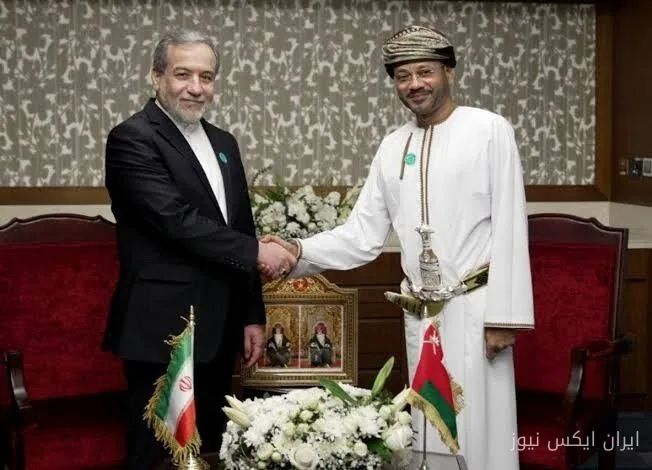
In the coming days, the city of Salalah in Oman will host a meeting that could influence the fate of relations between Iran and the Gulf countries. This meeting, attended by the foreign ministers of the Islamic Republic of Iran and other coastal Gulf countries, is seen as a historic opportunity to reduce tensions and achieve lasting peace in the region.
Background of Tensions in the Gulf
The Gulf has always been recognized as one of the critical areas in international politics. For a long time, tensions between Iran and its neighboring countries have escalated due to various issues including Iran's nuclear program, security concerns, and border disputes. This situation has led many analysts to be concerned about the future of relations between Iran and its neighbors.
However, the holding of the Salalah meeting could be a sign of the political will of the participating countries to reduce these tensions and create new mechanisms for regional cooperation. In this regard, some officials believe that the outcomes of this gathering could be considered a turning point in the history of relations between Iran and the Arab countries of the Gulf.
Outlook of the Meeting and Its Consequences
Some experts believe that the results of this meeting could help establish lasting peace and reduce hostilities in the region. This meeting is an opportunity for dialogue and the creation of new understandings in various fields including security, trade, and economic cooperation. Especially in a situation where economic and social crises are severely felt in the region, the need for effective cooperation is more pressing than ever.
On the other hand, others are not optimistic about the results of this meeting and believe that this gathering may merely turn into a political show. In a situation where some countries are still seeking confrontation with Iran, the question arises whether there is really a will to change past behaviors or not.
Ultimately, the Salalah meeting could be seen as a positive step towards creating peace and stability in the Gulf, but only with real cooperation and political will from all parties can we hope for tangible and lasting results.