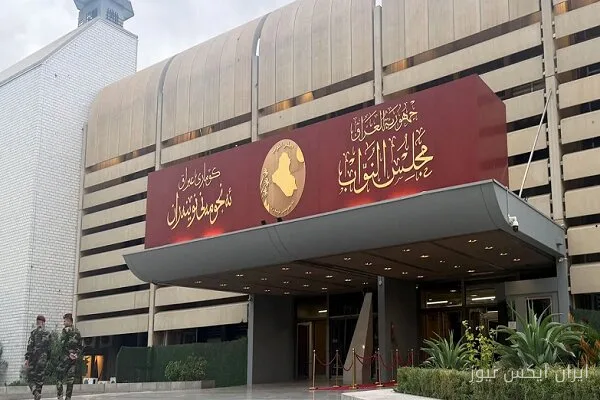
In recent days, the Iraqi government's action of closing the border crossings with the Islamic Republic of Iran has sparked a wave of criticism among representatives and political figures in the country. This decision, which was made suddenly, has led many members of the Iraqi Parliament, especially from political factions close to Iran, to express concern over this issue.
Consequences of this Decision for the Relations Between the Two Countries
Many Iraqi politicians believe that this action could affect the historical and cultural relations between the two countries. They emphasize that closing the borders not only harms Iraq's economy but also damages regional security. Given the economic and trade dependence of Iraqis on Iran, this decision could have many negative consequences.
Some members of Parliament have described this action as an irrational and unnecessary decision, calling for the immediate reopening of the borders. They believe that this action not only leads to damage to diplomatic relations but could also exacerbate social and economic tensions within Iraq.
Concerns About Economic Consequences
Meanwhile, economic experts have also warned about the consequences of this decision, emphasizing that closing the borders with Iran could lead to an increase in the prices of goods and a decrease in people's access to essential products. Additionally, severing trade relations with Iran could exacerbate unemployment and livelihood issues in Iraq.
Ultimately, it seems that Iraqi politicians need to reconsider this decision and seek diplomatic solutions to improve the current situation. Given the prevailing conditions in the region, it is essential for both countries to emphasize their relations and avoid unnecessary tensions.