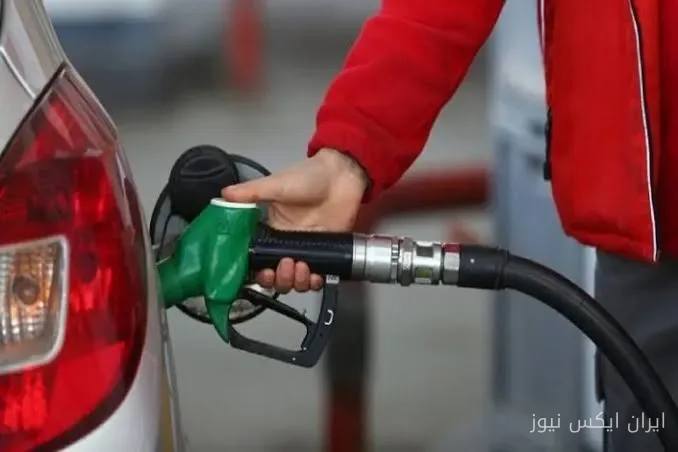
The manager of the Smart Fuel System announced in a controversial news report that the gasoline quota for new vehicles and vehicles with special license plates in free zones will be significantly reduced. This category of vehicles, which currently enjoys a high gasoline quota, will soon receive only 10,000 tomans of monthly gasoline credit.
Changes in Gasoline Quotas
According to recent statements by the manager of the Smart Fuel System, new vehicles can no longer use the public gasoline quota due to their increasing numbers in the country and financial pressures. This decision has been made to manage resources and prevent misuse of quotas. Now these vehicles are required to operate with their 110-liter gasoline quota of 10,000 tomans.
These changes, along with the National Oil Products Distribution Company's reviews for increasing the ceiling to one billion tomans in gasoline quotas, indicate serious concerns regarding fuel resource management in the country. It seems that decision-makers are trying to prevent waste and potential misuse with this action.
Impact on the Car Market
With these changes, the market for new vehicles will be significantly affected. Many buyers who had hoped to benefit from larger quotas when purchasing these vehicles may now face a decrease in value and attractiveness of these cars. This situation could deeply influence buying and selling decisions in the market and put pressure on prices.
Ultimately, these changes in fuel supply policies reflect the government's efforts to better manage resources and reduce pressure on the country's economy. But can these decisions help improve the fuel situation and lessen the financial burden on the people? This is a question that only time will answer.