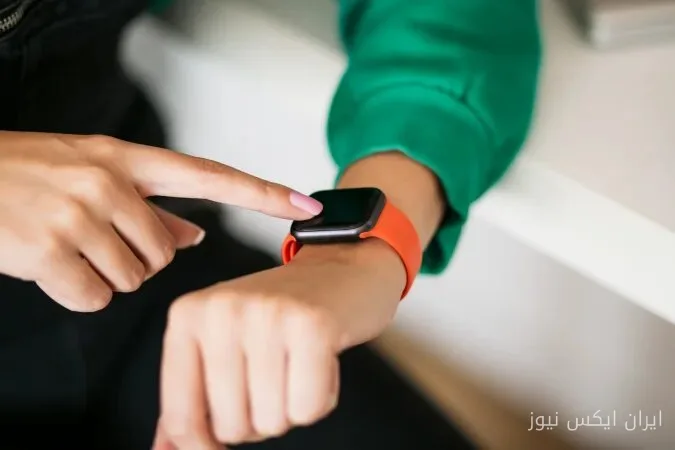
Recent research indicates that smartwatches typically overestimate the calorie burn for users. This issue can have serious consequences, especially for individuals seeking to lose weight or maintain fitness.
Inaccurate Estimation of Calorie Burn
According to data obtained from a study, smartwatches can overestimate calorie burn by up to 24 percent. This inaccuracy is due to the computational algorithms and sensors used in these devices. Some researchers believe that these devices focus on factors such as heart rate and body movements rather than actual bodily activity, which may lead to incorrect data.
Read more: 7 Amazing Ways to Maintain Your Bladder Health
Health-Impacting Consequences
This inaccuracy in estimating calorie burn can give individuals the wrong motivation to continue physical exercises. For example, if a person believes they have burned more calories, they may change their diet or consume more calories. This can lead to weight gain and decreased overall health.
Additionally, some users may engage excessively in sports activities due to incorrect numbers, which can result in physical and mental injuries. Therefore, ensuring the accuracy of smart devices in estimating calorie burn is crucial for maintaining public health.
Researchers recommend that smartwatch users use the data from these devices as a guide and pay close attention to the actual signals from their bodies. They are also advised to consult with nutritionists and sports experts alongside using these devices to achieve better results.
Ultimately, this research shows that despite technological advancements, there is still a need for greater accuracy and further investigation in health-related fields. For this reason, manufacturers of these devices should pay more attention to improving algorithms and sensor accuracy.
Read more: 10 Trillion Rial Investment in Ardabil Treatment: A Major Transformation in Health Services! · Why Does Iron Level Remain Low Despite Iron-Rich Foods?