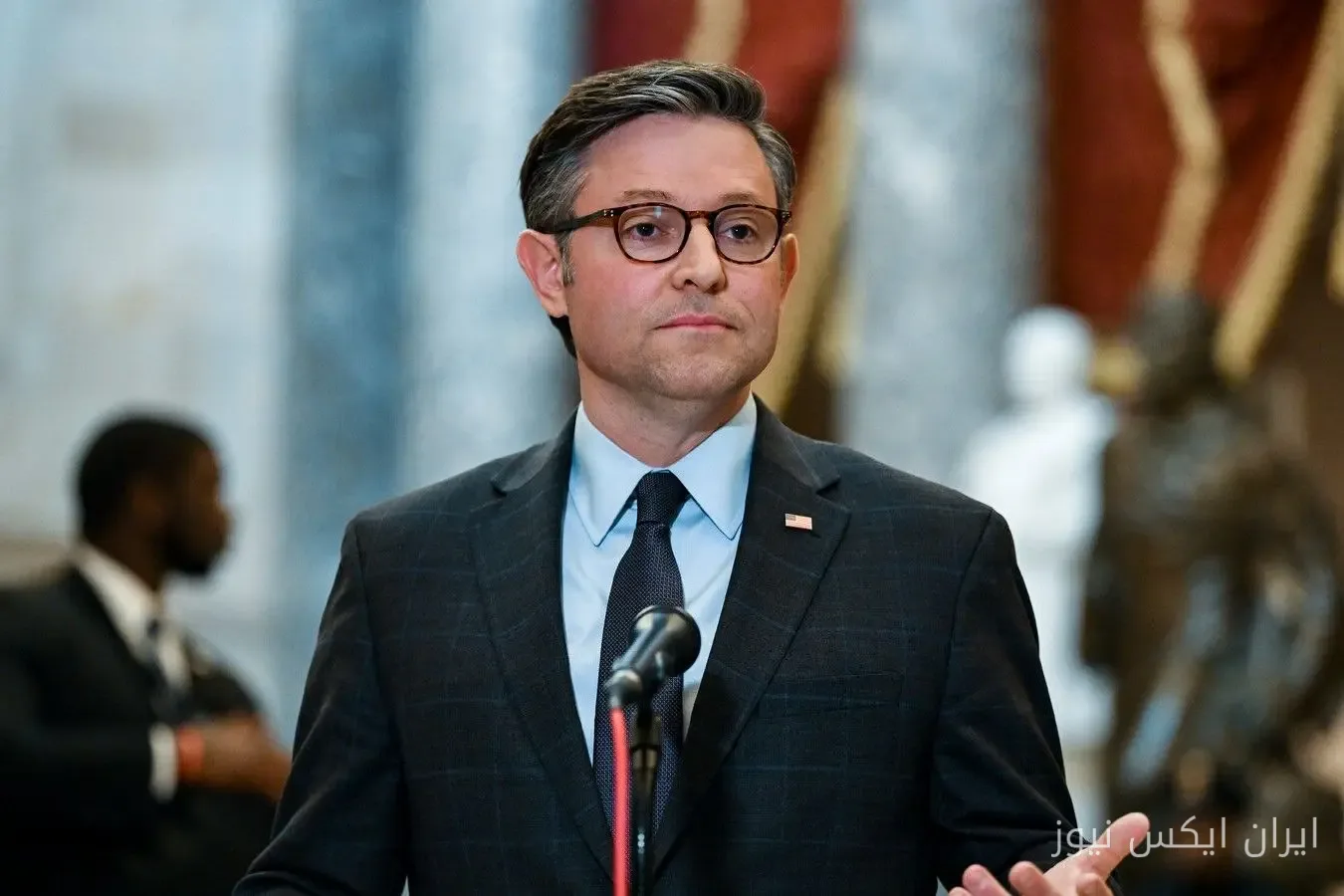
As tensions in the Middle East have reached their peak, the Speaker of the U.S. House of Representatives recently made controversial statements declaring that the war against Iran will no longer continue. These statements indirectly indicate changes in U.S. foreign policy in dealing with Iran.
Efforts for Diplomacy and Reducing Tensions
According to informed sources, the Speaker of the U.S. House of Representatives emphasized that serious efforts are underway to end the conflicts and tensions with Iran. These statements come at a time when many political observers are concerned about rising tensions and the possibility of new conflicts.
The Speaker pointed out the importance of diplomacy in resolving international issues and stressed that his country is seeking peaceful solutions to prevent further war and conflict. This approach could be a sign of a shift in U.S. policies aimed at reducing tensions and increasing international cooperation.
Possible Consequences for the Region
These statements could have wide-ranging implications for the Middle East. Currently, many countries and international organizations are waiting to see whether these efforts will truly yield results. In this context, analysts predict that any changes in U.S. policies could affect the behaviors of Iran and other countries and lead to a shift in the balance of power in the region.
Overall, the statements from the Speaker of the U.S. House of Representatives indicate that his country is seeking a way to end the conflicts and improve relations with Iran. This could help reduce tensions and create stability in the region, but it remains to be seen how effective these efforts will be.