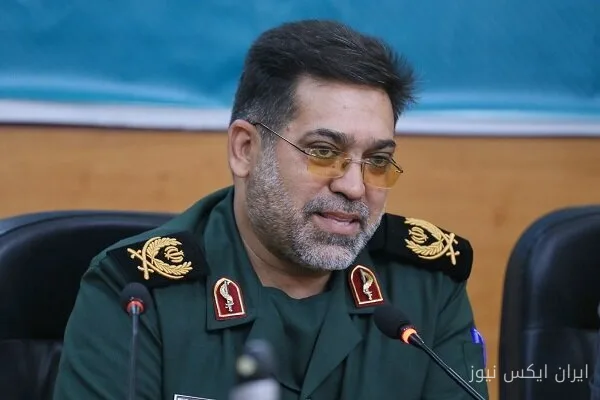
In a significant step towards the development of sports in the village of Chenar Sofla located in Asadabad, the commander of the Ansar al-Hussein (PBUH) Corps of Hamadan Province announced that the construction of a sports hall in this area is a priority. This news comes at a time when sports are always considered one of the pillars of social and cultural development in rural areas.
The Need for Community Cooperation to Secure Land
The commander of the Ansar al-Hussein (PBUH) Corps emphasized the importance of providing suitable land for the construction of the sports hall and called for the cooperation and assistance of the people of this village. He said: "To implement this plan, we need to allocate suitable land that must be provided with the cooperation of the people." These remarks reflect the serious determination of this organization to develop sports infrastructure in less privileged areas.
The construction of a sports hall in Chenar Sofla could serve as a social and cultural hub, providing an opportunity for the youth and adolescents of this area to engage in sports activities in a healthy and safe environment. This plan, especially in villages with limited access to sports infrastructure, could have positive impacts on reducing social harms and increasing the vitality and happiness of the community.
Challenges and Opportunities
However, there are also challenges in the way of implementing this project. One of the most important issues is securing financial resources and suitable land. In this regard, community cooperation can play a key role. If the people are interested in the progress and sports development in their area, they can help this project by providing land and collaborating in the construction phases.
Moreover, the implementation of this project could lead to attracting more investments in the field of sports and also create jobs for the youth of the region. Given that sports can help develop a spirit of cooperation, effort, and perseverance among young people, this sports hall could be a venue for holding competitions and various sports activities.
It seems that the construction of a sports hall in Chenar Sofla could contribute to the formation of a positive sports culture in this area. Considering that sports not only promote physical health but also improve the mental well-being of individuals, this project could serve as a successful model in other rural areas of the country.
Ultimately, it is essential that all governmental and non-governmental organizations, including local institutions, pay attention to this plan and strive to create the groundwork for comprehensive sports development in this village with the cooperation of the people. Given the increasing importance of sports in social life, one can hope that with collaboration and synergy, this project will reach a favorable conclusion and lead to a significant transformation in the social life of the villagers.