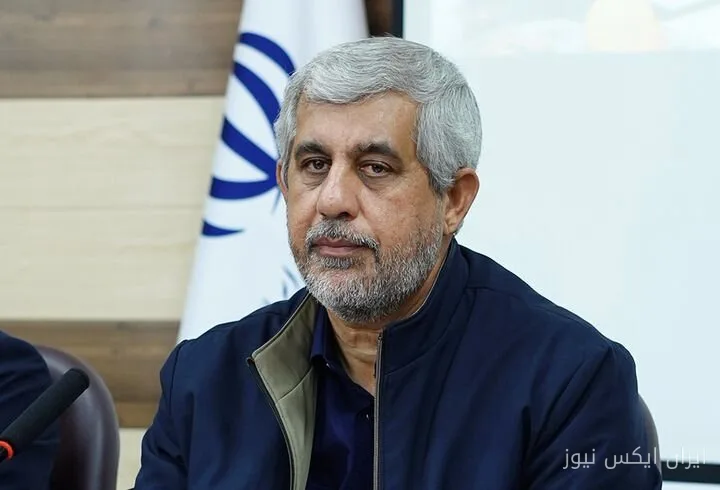
The Strait of Hormuz, one of the most important maritime passages for oil transportation, has recently faced new developments. A member of the National Security Commission of Parliament has made controversial statements declaring that the creation of a temporary route in this strait should in no way be mistaken for its reopening. These statements come at a time when tanker traffic in this region has been severely affected by political and military developments.
Significant Decrease in Tanker Traffic
According to the provided statistics, before the recent tensions, the number of tankers passing through the Strait of Hormuz daily reached 128. However, this number has now decreased to 7 tankers per day, indicating the profound impacts of crises on global oil trade. This member of parliament also pointed out that this limited traffic occurs only with the permission of the Islamic Republic of Iran.
Security and Economic Consequences
The decrease in tanker traffic in the Strait of Hormuz could have significant economic and security consequences. These changes not only affect global oil prices but could also lead to increased tensions in the region. In these circumstances, Iran is seeking to maintain control over this passage and is trying to manage the situation to its advantage.
It seems that these developments in the Strait of Hormuz, alongside other economic and political challenges, indicate new complexities in international relations and oil trade. Can this temporary route become a permanent solution, or should we expect further developments in the future?