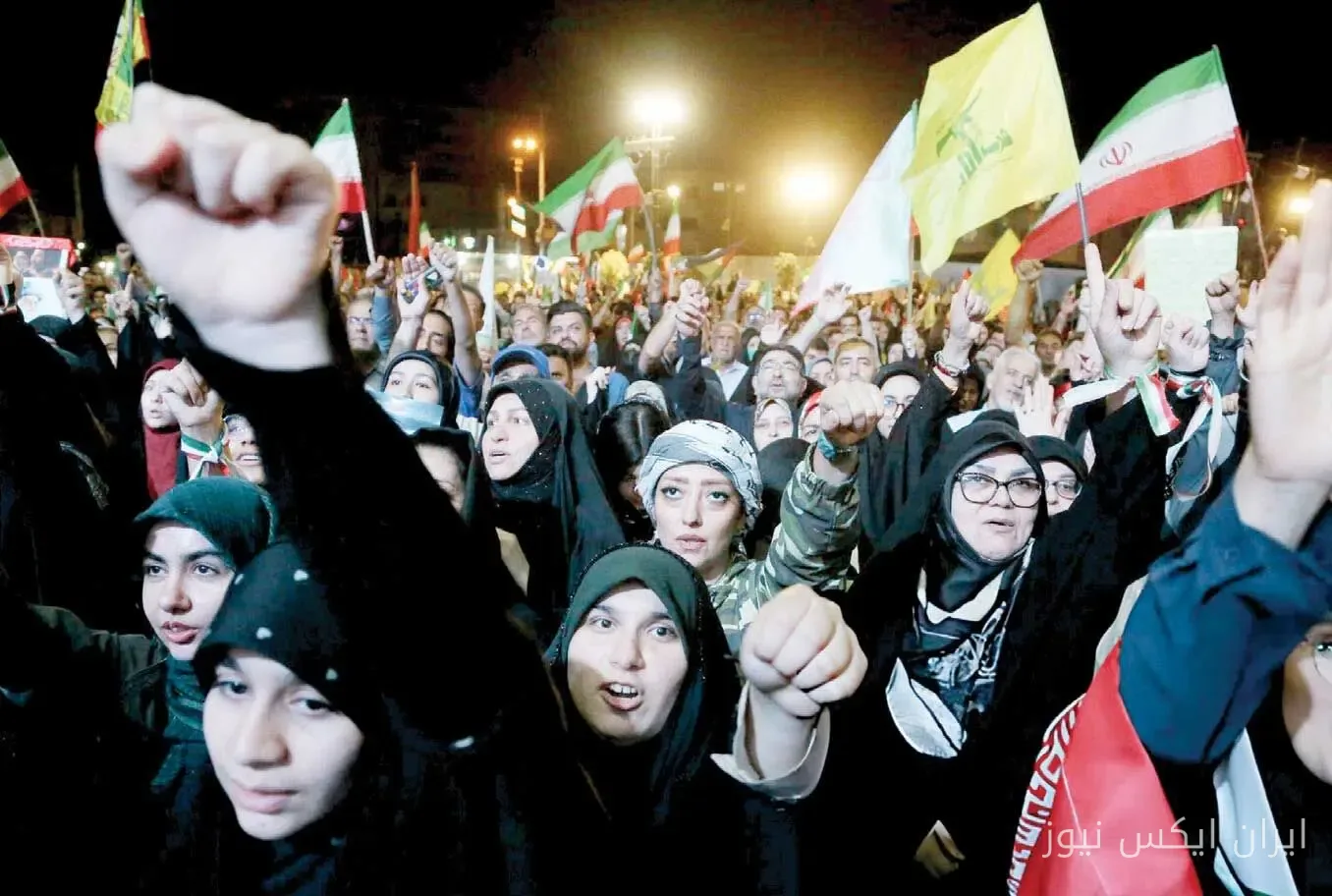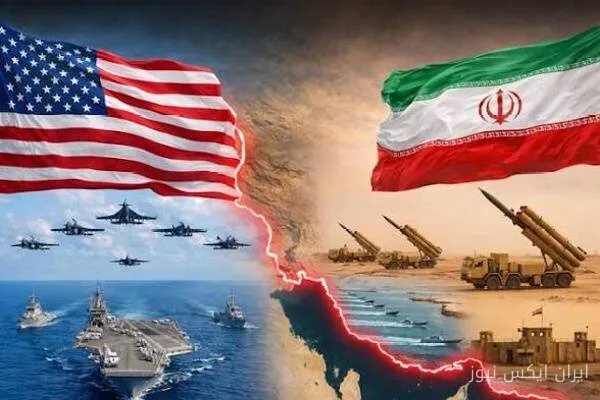
Since the onset of the military aggression by the United States and the Zionist regime against Iran, analysts and global media have been examining the consequences of this conflict. While the declared objectives of this operation were clearly not realized, Western officials have acknowledged their strategic failures. This situation has led public opinion in many countries to engage in a deeper analysis of the consequences of this war.
Unintended Consequences of the Aggression
The aggression against Iran, as an influential and strategic country in the Middle East, has not only led to increased tensions in the region but has also provoked strong reactions and significant criticisms globally. Reports and analyses published in American media indicate that this war has not only weakened the aggressors' power but has also placed Iran in a stronger position. Meanwhile, many experts believe that the continuation of this war will only result in increased costs and negative consequences for the aggressor countries.
Changes in Global Equations
Analysts believe that this war could change global equations and strengthen resistance fronts against aggressive policies. In this regard, many countries and international media are examining changes in the foreign and domestic policies of the aggressor countries and pointing to a new situation that may impact the future of the Middle East and international relations.
As a result, it can be said that the military aggression against Iran has not only failed to achieve its goals but has also led to strategic defeats and profound changes in the global order. This situation could be seen as a wake-up call for other countries, reminding them that military and aggressive policies may lead to unpredictable and damaging outcomes.