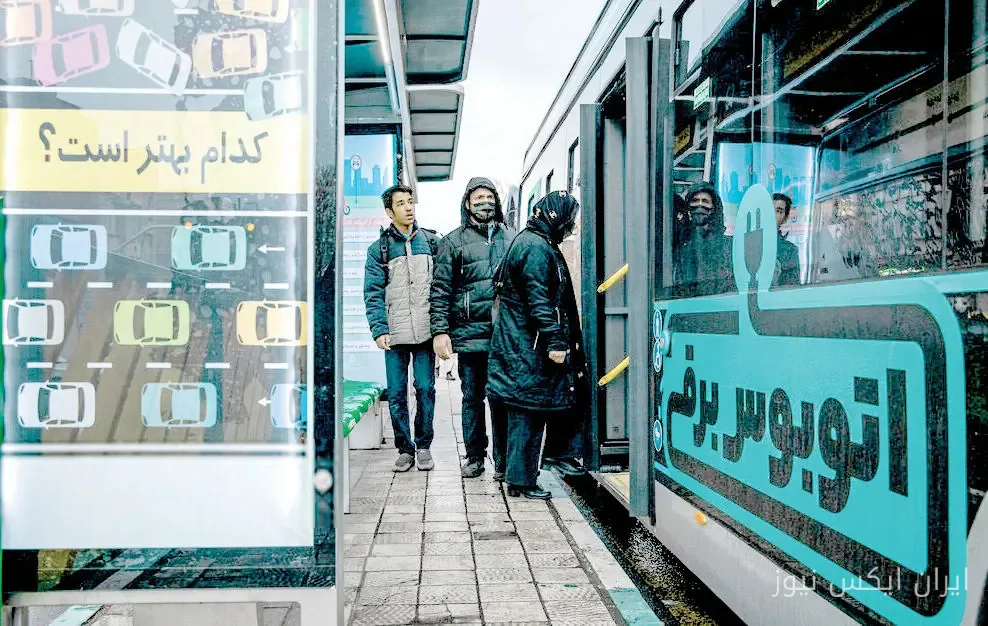
The Mayor of Tehran announced the electrification of the entire capital, solar electricity, converting gas to electricity, and even nuclear power, but at the same time, sufficient infrastructure for charging electric buses has not been established in the city. With the arrival of 500 electric buses, the head of the Transportation Commission of the City Council pointed to the lack of a report on the costs and benefits of this change.
Challenges of Electrification in Tehran
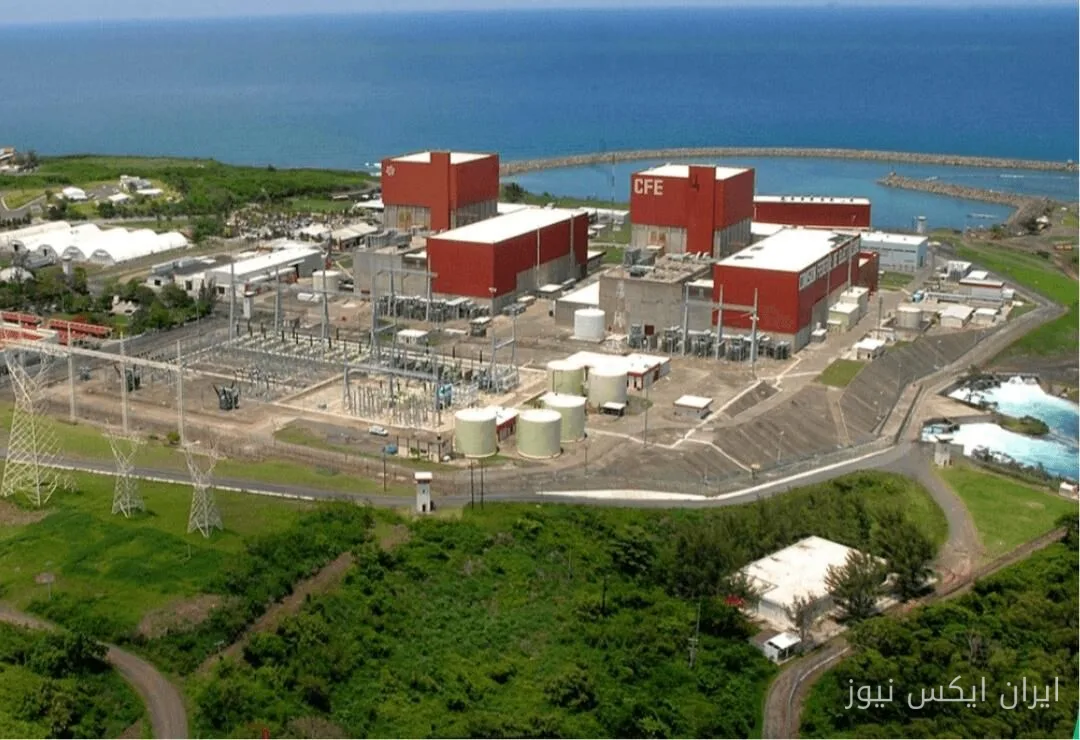
Alireza Zakani, the Mayor of Tehran, stated on September 5 that he has a grand idea for electrifying all of Tehran. He emphasized that the required electricity will be sourced from various resources such as solar and nuclear power. Zakani also announced that the municipality has managed to reduce the purchase price of electric buses from 317,000 to 347,000 euros to about 220,000 euros.
Read more: Mapna's Entry into the Dump Truck World with a 136-Ton Design
However, the main challenge relates to charging infrastructure. Jafar Tashakkori Hashemi, the head of the Urban Development and Transportation Commission of the Tehran City Council, said that charging equipment has been installed in some areas, but their electricity supply has not yet been secured. He continued that optimal conditions must be created to supply electricity to the buses.
Need for Expert Report
Tashakkori Hashemi also emphasized that no report has yet been provided to the City Council that clarifies the advantages and disadvantages of transitioning from a diesel fleet to an electric one. He believes that electrification requires a comprehensive and expert review that includes infrastructure costs, electricity supply limitations, and maintenance costs. Zakani also announced the municipality's plans to introduce 200,000 electric motorcycles and stated that the Central Bank has approved foreign currency for four thousand electric motorcycles.
Alongside these plans, the municipality is still seeking to use natural gas for taxis and has conducted studies on hybridizing part of the bus fleet. Tashakkori Hashemi warned that major decisions should be made considering the economic conditions and available resources and should not rely solely on interest in a technology.
Ultimately, the electrification of the fleet could be part of the solution to air pollution and fuel consumption, but infrastructure challenges and electricity supply remain the main obstacles. While the municipality's plans are progressing, many questions about the amount of electricity, the number of charging stations, and costs remain unanswered.
Read more: Imaging the Connection of Two Brain Cells During Learning · Transporting Over One Million Passengers in Kermanshah