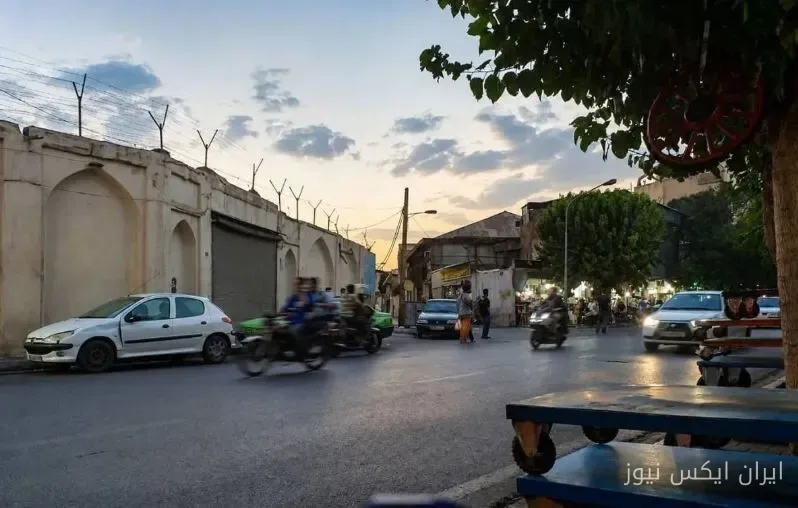
In the heart of the bustling and noisy streets of Tehran, the lives of workers are clearly visible in the shadow of poverty and inequality. In neighborhoods like Mokhtari, Shoosh, and Darvazeh Ghar, the economic situation is so dire that buying bread has become a serious challenge for some families. Here, buying bread on credit is one of the means of survival for many families.
Poverty, a Reality That Cannot Be Denied
The heavy burden of this disintegrating economy has fallen most heavily on women in working-class and wage-earning households. Many women, as heads of their families, work from morning till night to cover daily expenses, yet ultimately struggle with financial problems. This situation has turned buying bread into a fundamental concern for many of them.
Life on the Margins and Buying on Credit
Poverty is no longer a hidden phenomenon or just a number in official statistics; it has become part of the daily reality of the streets. In these neighborhoods, workers and their families see that even bread must be bought on credit. This bitter reality reflects the depth of the economic and social crisis in society. Many of them can barely meet their basic needs, and this condition has gradually become an unpleasant habit.
The situation is so dire that some workers are forced to borrow from friends and acquaintances to cover daily expenses. This vicious cycle not only exacerbates economic hardships but also negatively impacts their morale and mental health. Amidst this, hope for improvement in economic conditions has been forgotten.
The experience of living in these areas is not only a bitter lesson about economic issues but also a call for society to become more aware and sensitive to the problems of workers and working-class families. Poverty and inequality are not just economic problems; they are a humanitarian crisis that requires immediate attention and action.