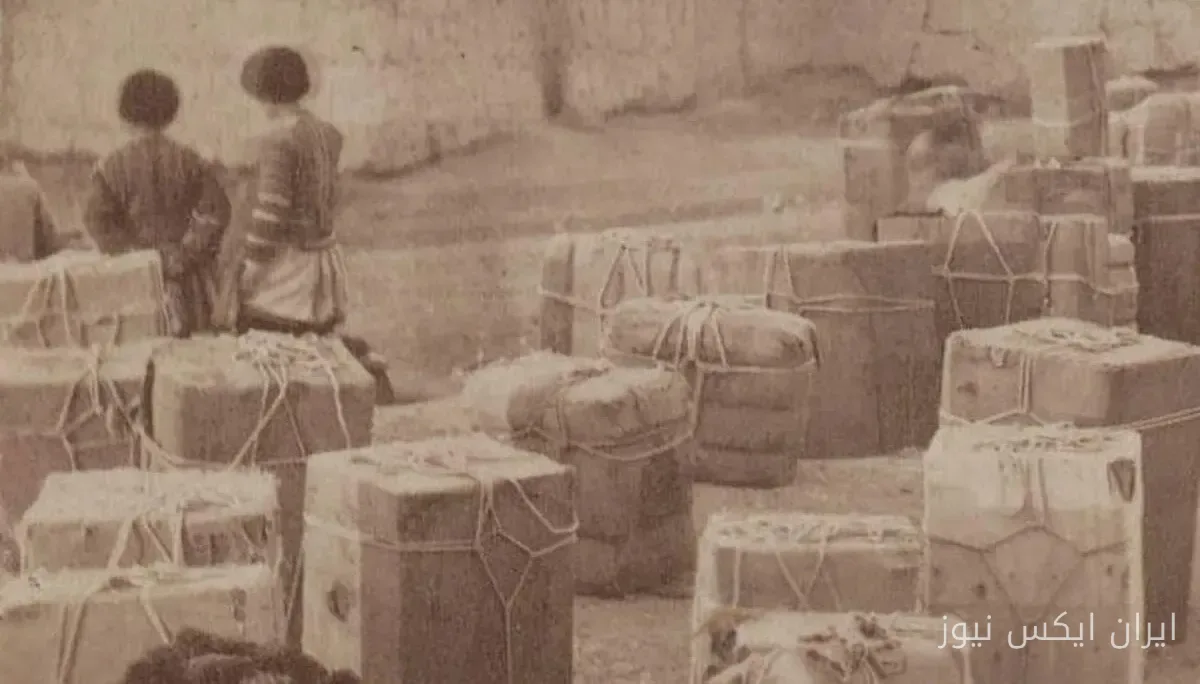
The view of packaged goods near a caravanserai in Qazvin showcases an attractive representation of the loads and commercial goods of merchants during the Qajar period. This image presents a part of Qazvin's rich commercial history to viewers and serves as a reminder of the economic and cultural activities of this region at that time.
Commercial History of Qazvin
Qazvin, as one of the important commercial cities during the Qajar era, played a significant role in Iran's economic exchanges. The numerous caravanserais in this city were gathering places for merchants and traders, and a lot of commercial activities took place in these locations. Various goods, including textiles, spices, and other products, were sold in these caravanserais, contributing to the economic prosperity of Qazvin.
The Role of Caravanserais in Qajar Economy
Caravanserais not only served as resting places for travelers and traders but were also recognized as commercial and cultural centers. These locations provided a suitable platform for the exchange of goods and culture among different ethnicities and helped increase economic interactions. In fact, caravanserais are considered symbols of cultural and economic exchange during the Qajar era.
The present image, by displaying packaged goods, somewhat represents the commercial and economic activities of that time. These goods, which are carefully packaged, reflect the merchants' attention to the quality and presentation of their products. This attention to packaging not only helped increase sales but also represented the rich commercial culture of that era.
Cultural and Economic Consequences of the Qazvin View
This historical view, in addition to showcasing economic activities, also aids in a better understanding of the culture and history of Qazvin. Visitors and researchers can examine the various economic and cultural aspects of Qazvin during the Qajar period by observing this image. This will also contribute to the preservation and introduction of the cultural and historical heritage of the country.
Overall, the view of packaged goods in Qazvin presents an image of a rich past filled with economic and cultural activities that can inspire future generations. This relic of history not only holds artistic value but is also considered an important historical source for examining the economic and social developments in Iran during the Qajar era.