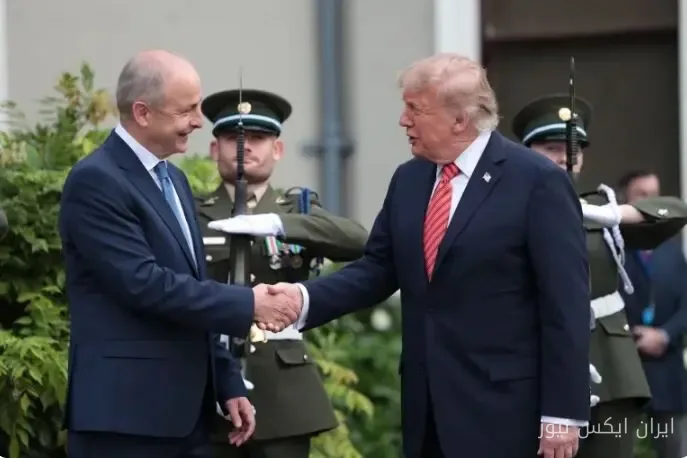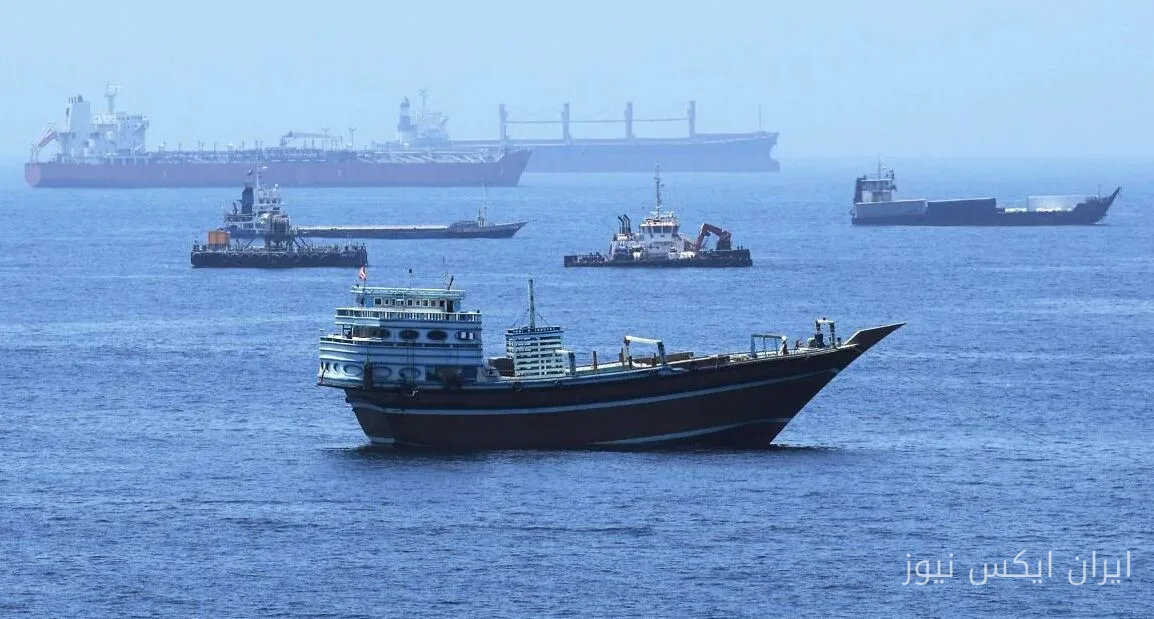
The Middle East is currently at the center of energy crises, with tensions in the region reaching a point where many analysts and observers believe this area is facing the most severe energy supply challenges in decades. This situation has not only impacted global markets but has also placed the Trump administration in a difficult position.
New Challenges in Energy Corridors
With the closure of the world's most important energy corridors, the Trump administration is facing a serious challenge in securing energy resources. This crisis has become significantly more acute, especially as the demand for energy is rapidly increasing globally. Many countries are seeking to diversify their energy sources, but the current crisis has dramatically affected these efforts.
Analysts believe that in such circumstances, the Trump administration's response to this crisis could determine the future of energy worldwide. On one hand, international pressures and on the other hand, the need to maintain domestic economic interests have placed the government in a challenging position.
An Uncertain Future for Global Energy
Given recent developments, the future of the energy market is shrouded in uncertainty. Some believe that this crisis could lead to fundamental changes in the energy policies of various countries. In this context, the Trump administration must quickly provide effective solutions to manage this crisis.
Ultimately, the energy crisis in the Middle East will not only impact the global economy but could also lead to changes in the foreign and domestic policies of countries, making this issue a key concern in the international arena.