In recent days, financial markets have faced significant volatility resulting from a combination of economic and political factors. According to the latest statistics, the yield on 10-year U.S. Treasury bonds has reached its highest level since the beginning of 2023, approaching 4.5 percent. This increase in yield clearly reflects growing concerns among investors regarding monetary policies and the potential impacts of rising interest rates on the economy.
Oil Prices at Their Peak
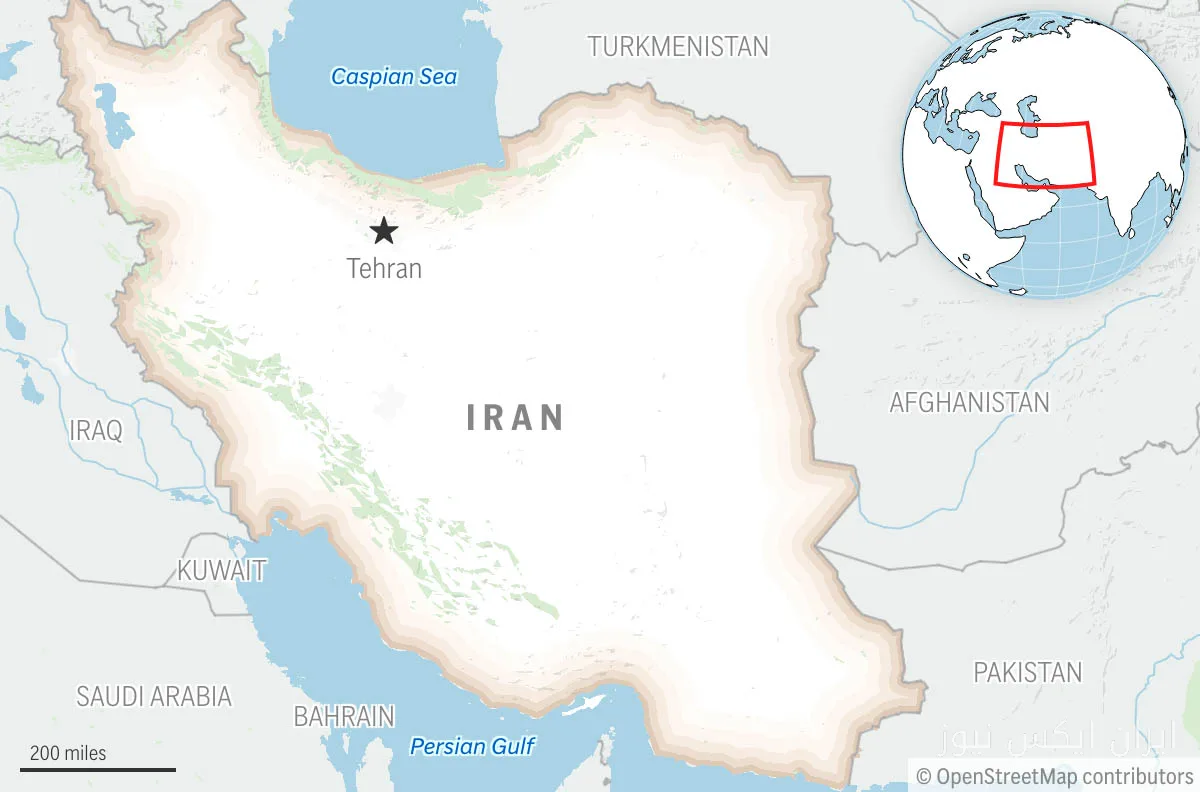
Alongside these issues, oil prices have also seen a significant jump to $105 per barrel. This price increase is attributed to multiple factors, including OPEC's production cuts and geopolitical tensions in oil-rich regions. Analysts believe that this trend could have serious implications for the global economy, particularly for oil-importing countries.
While rising oil prices may benefit countries with abundant oil resources, for consuming countries, especially developing economies, this could lead to increased energy costs and consequently, pressure on inflation. Given these circumstances, economic experts predict that this situation may lead to the adoption of new fiscal and monetary policies.
Concerns About the Economic Future
Investors are closely monitoring market developments and are concerned whether this volatility could be a sign of an economic recession. These concerns, coupled with rising living costs, especially in Western countries, may lead to changes in consumer behavior and a decrease in demand. Furthermore, the continuation of this trend could have profound effects on global markets and the economic policies of various countries.
Ultimately, it seems that markets are on the brink of a major transformation; a transformation that could significantly alter the course of the global economy.