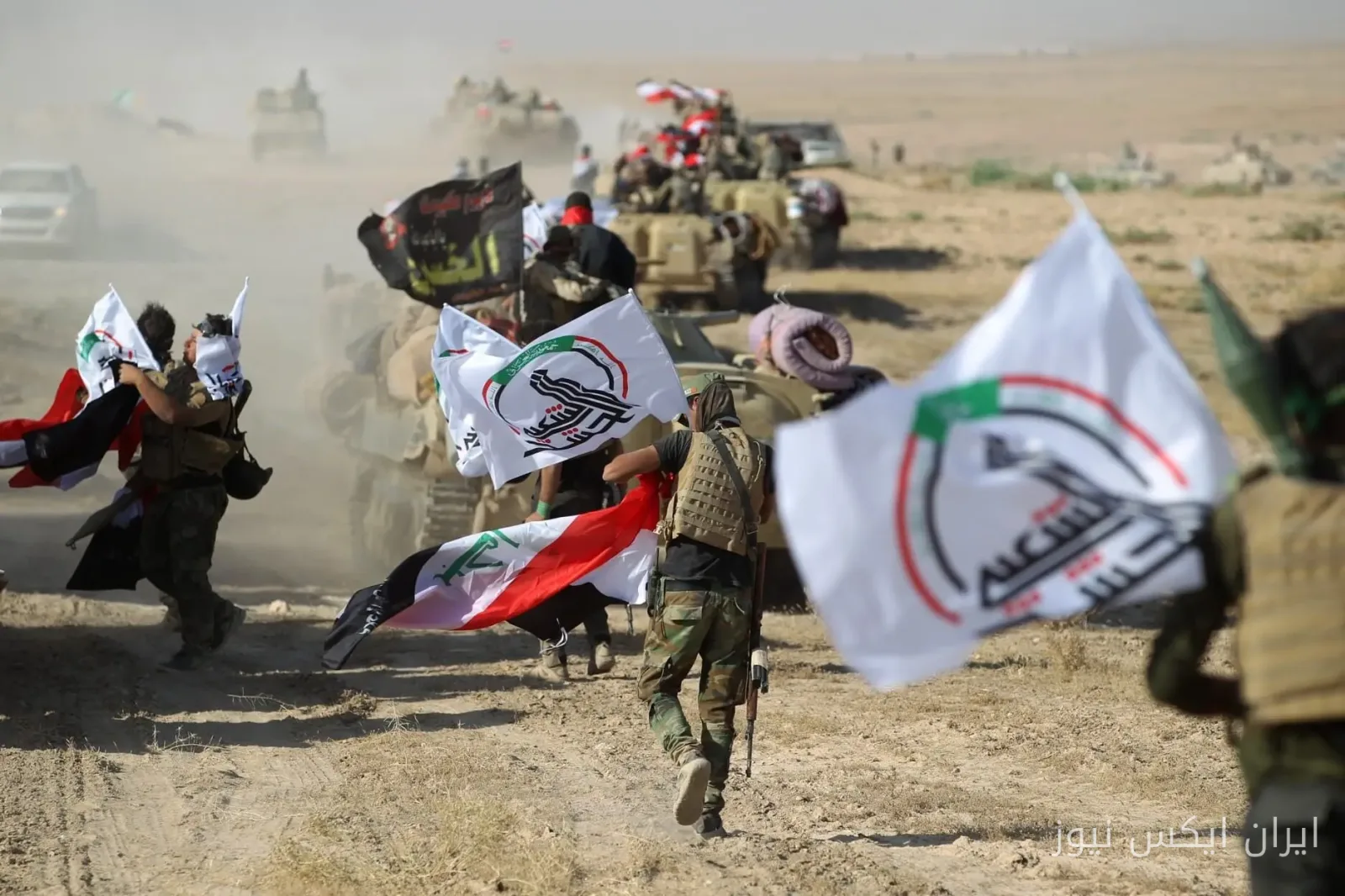
The increasing pressures from the U.S. government on Iraq to reduce the role and influence of Hashd al-Shaabi in the country are clearly on the rise. These pressures, which follow a specific goal of disarming and removing this popular group from their deployed areas, have raised significant concerns among observers and political analysts.
Reasons for U.S. Pressures
The U.S. government, due to concerns over the military and political power of Hashd al-Shaabi, which has become one of the main players in the political and military arena of Iraq in recent years, is seeking ways to limit the influence of this group. Hashd al-Shaabi, recognized as a popular force in the fight against terrorism and ISIS, currently has an active presence in many areas of Iraq. However, this has caught the attention of the U.S., leading to pressures to reduce the role of this group.
These pressures from the U.S. government have been particularly serious at a time when Iraq is striving to move towards stability and sustainable security. Some analysts believe that the main goal of these pressures is to weaken internal alliances in Iraq and create a favorable environment for greater U.S. influence in the affairs of the country.
Political and Social Consequences
Although the Iraqi government officially responds to these pressures, there are concerns among the people and various groups at the social and political level. Many Iraqis believe that foreign pressures could mean a weakening of national sovereignty and independence of the country. This is while Hashd al-Shaabi, as one of the popular institutions, enjoys broad support from parts of Iraqi society.
Ultimately, it remains to be seen whether the Iraqi government will be able to respond to these pressures or whether this trend will gradually lead to the weakening of Hashd al-Shaabi and an increase in foreign influence. This issue will undoubtedly have profound impacts on the political and social future of Iraq.