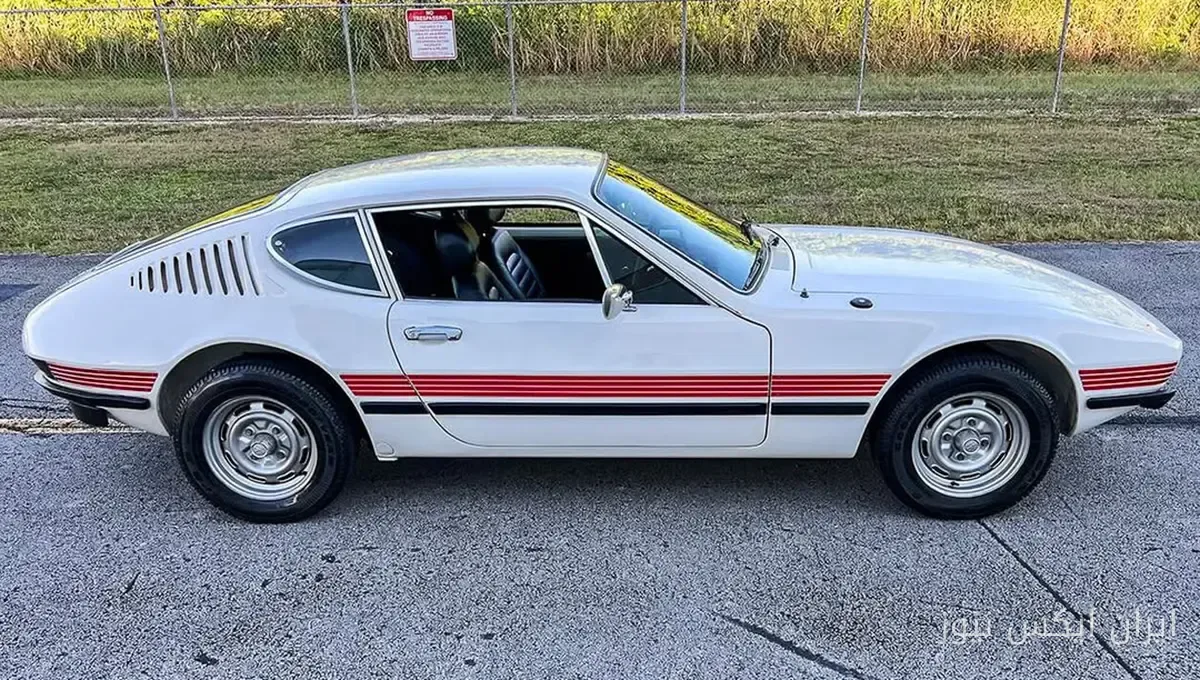
The Volkswagen SP2, a car that can truly be considered a treasure of automotive history, was born in 1973 in South America. This vehicle, designed on the Type 3 platform, was highly regarded as a low-profile coupe with a steel body and a rear-mounted air-cooled flat-four engine. But why has this car been forgotten?
History and Unique Design
The Volkswagen SP2 was specifically designed for the South American market and was actually part of the brand's efforts to expand its markets in this continent. The design of this car was done in such a way as to combine attractiveness and functionality. With its sleek body and soft lines, the SP2 easily captures the attention of any viewer. However, this car has managed to make a place for itself in the hearts of car enthusiasts not only in terms of design but also technically.
The flat-four engine of this vehicle has provided it with adequate power and acceptable performance. Although this car was considered an economical option in its time, its unique features, such as interior design and driving comfort, have distinguished it from other cars in its class.
Why Was the Volkswagen SP2 Forgotten?
Although the SP2 experienced successes in its time, the arrival of newer models and more advanced technologies in the market led to its gradual obscurity. Additionally, production and distribution limitations in South America and the lack of adequate advertising for this car contributed to the SP2 not being recognized globally.
Today, classic car enthusiasts and collectors are in search of well-preserved and untouched examples of this vehicle. However, very few of these cars remain, and this has increased their value in global markets.
The Volkswagen SP2 symbolizes a specific era in automotive history that, despite its unique features, has simply been forgotten. This car not only represents creativity and innovation in design but also carries a story of the struggle to compete in global markets.