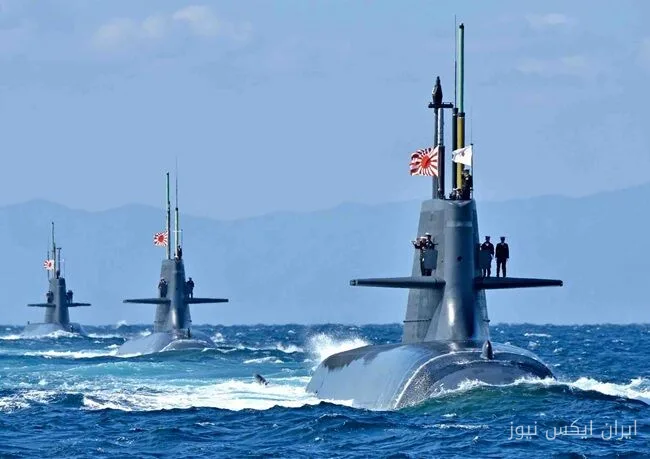
In a controversial move and following the green light from the United States, the government of Sanae Takaichi in Japan is seeking to acquire nuclear submarines. This action not only indicates significant changes in Tokyo's defense policies but also serves as a sign of confrontation with China's nuclear capabilities in the region.
Challenges to National Security Principles
If this program is implemented, Japan will violate its three key national security principles: the non-production, non-storage, and non-admission of nuclear weapons on its territory. This shift in Japan's policy could have serious consequences for regional security and specifically provoke reactions from neighboring countries like China and North Korea.
Recently, South Korea has also begun constructing nuclear submarines with permission from Washington. These developments indicate a nuclear tension in U.S. policies in the Far East, which, especially in light of threats from China and North Korea, once again emphasizes the importance of nuclear security.
International Concerns
This action by Japan will be met with strong reactions from Moscow and Beijing. Both countries are closely monitoring U.S. political and military movements and are seeking ways to counter these changes. In this context, some experts believe that these policies could lead to an arms race in the region and jeopardize its stability.
Given these developments, global reactions to this action by Japan and U.S. policies are expected to intensify in the near future. Have the peaceful days of this region come to an end? Only time will answer this question.