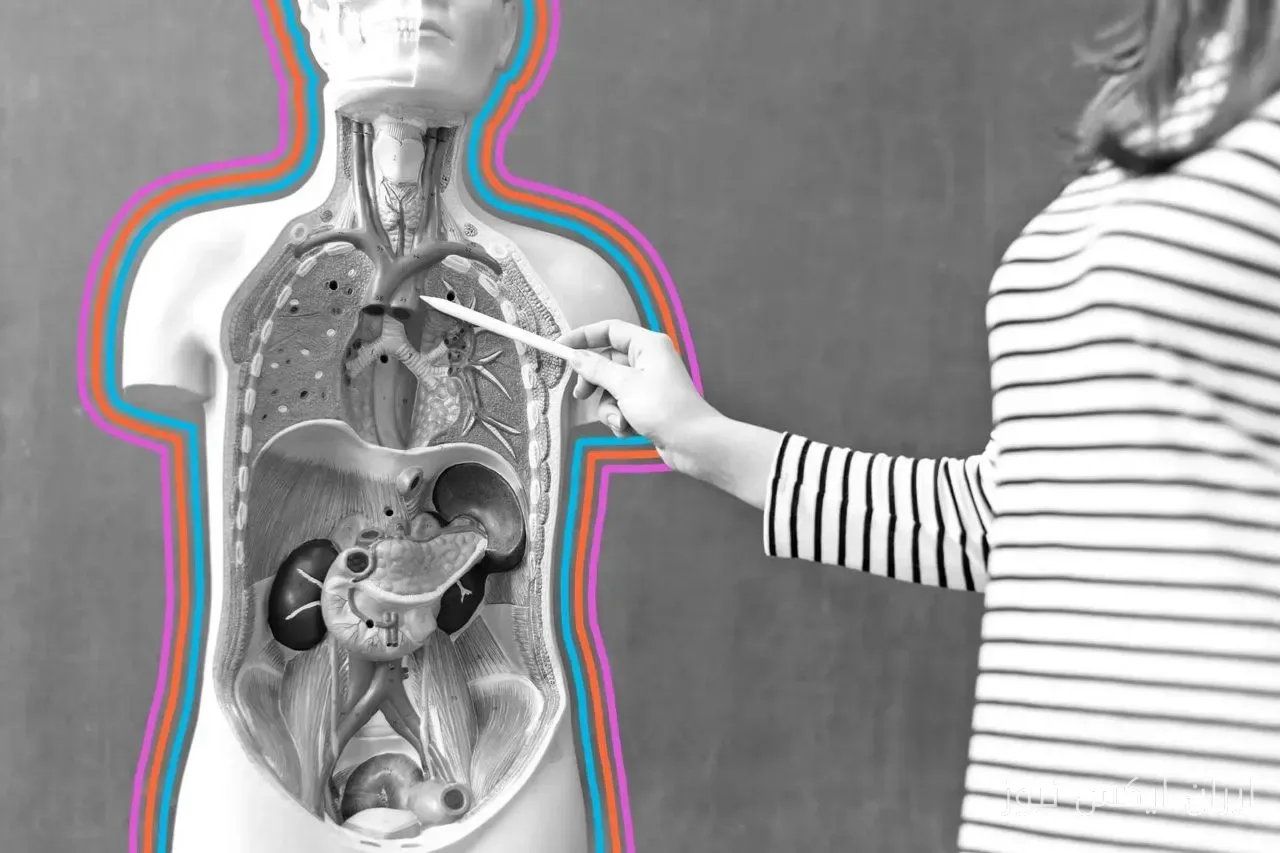
Removing the appendix may be the most common type of organ removal from the body, but the reality is that the human body is surprisingly flexible and can continue to live even after the removal of other organs. This capability not only relates to medical unknowns but also helps in a better understanding of the structure and function of the human body.
The Process of Organ Removal and the Body's Ability
In many cases, researchers and doctors have found that humans can continue to live without some vital organs. For example, individuals who lose one of their kidneys can still lead a normal life with one kidney. This situation is due to the body's ability to adapt and utilize available resources to maintain normal function.
Similarly, individuals who undergo surgery to remove the spleen or even part of the intestine can also continue their normal lives. This indicates the body's natural power to compensate for deficiencies.
Which Organs Can Be Removed?
In addition to the appendix and kidneys, there are other organs that the human body can live without. A second heart, for instance, can be removed in some cases, and the individual can continue to live using new medical technologies. Additionally, part of the liver can also be removed; this organ can quickly regenerate itself.
However, it should be noted that any surgical procedure and organ removal requires medical precision and attention, and side effects may arise. Therefore, a deeper understanding of the body's functions and capabilities can help improve treatment and surgical methods.
Ultimately, the question of whether one can continue to live without certain organs well illustrates the power and flexibility of the human body. This topic is not only interesting for doctors and researchers but also for all of us to contemplate.