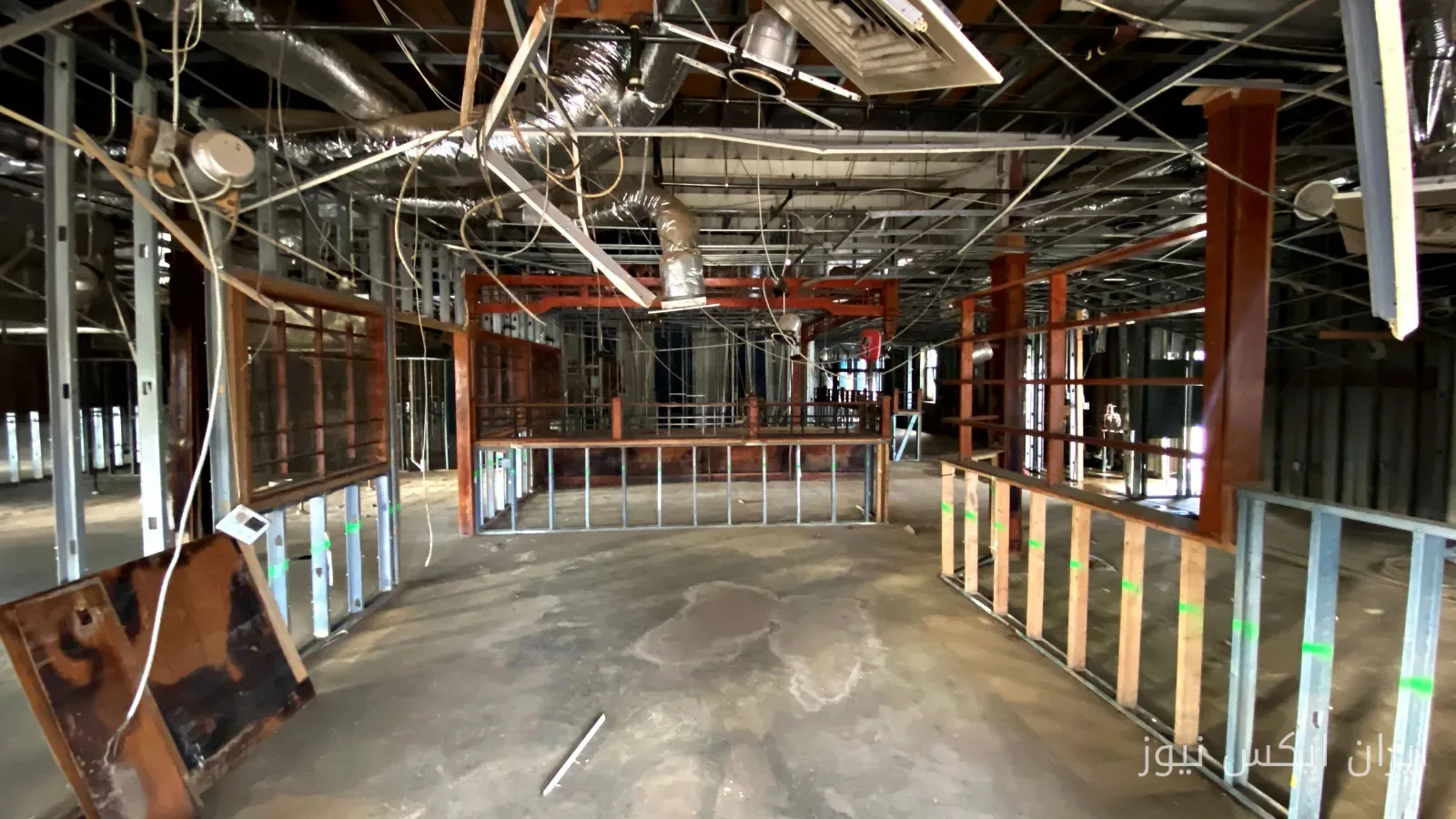
In the world of the restaurant industry, the space of second generation restaurants has emerged as a new and attractive business model. But can these spaces truly succeed or are they just a big deception?
Challenges of Second Generation Restaurant Spaces
Second generation restaurants refer to those that are inspired by older models and try to achieve a different experience for their customers by making changes and innovations. However, these changes are never easy to implement and may face serious problems. For example, interior design, food menu, and even the way services are provided can pose significant challenges.
On the other hand, many second generation restaurants are trying to attract younger and more modern customers. But does this approach really work? In many cases, it seems that these restaurants are merely imitating larger brands and lack an independent identity, which can lead to their failure.
The Future of Second Generation Restaurants
Ultimately, the success or failure of second generation restaurant spaces depends on whether they can offer unique propositions to customers. These restaurants must leverage creativity and innovation and go beyond old patterns to survive in today's competitive market.
Therefore, while the space of second generation restaurants may seem attractive, the reality is that their success depends on fundamental challenges and the need to rethink business strategies. Will this business model ultimately turn into a great success, or should we seek new and more creative ways to attract customers?