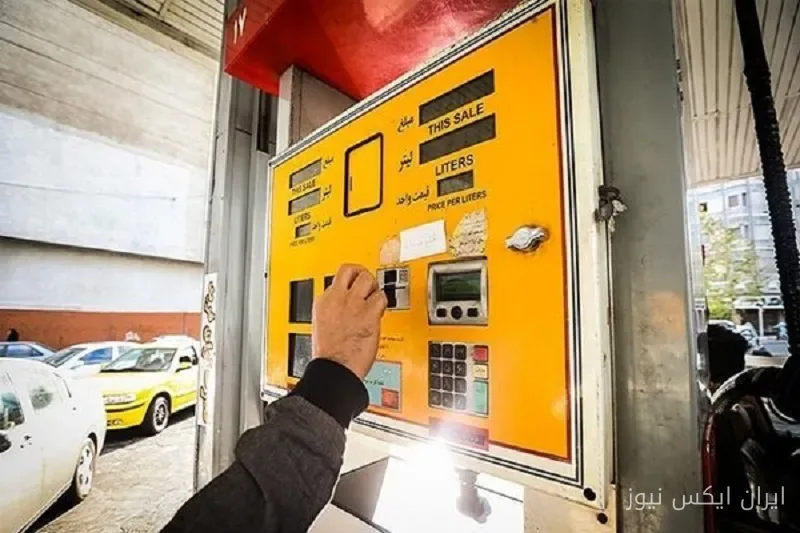
In a controversial news report, the manager of the smart fuel system announced that new vehicles and those with special license plates from free zones will receive a quota of 110 liters of gasoline at 10,000 tomans. This decision was made following recent changes in the country's fueling policies, and it seems that the aim is to support new vehicles and special plates.
Changes in Fueling Policies
With the new changes, new vehicles will automatically receive a quota of 110 liters of gasoline. This action appears to be aimed at facilitating access to fuel for new cars and also supporting free zones. However, the question remains whether this decision will benefit the general public or only serve a specific group.
It is important to note that in recent years, the allocation of fuel quotas has always faced many criticisms and questions. Some believe that the current system is designed to benefit specific segments of society, and therefore, recent changes should be made with greater care and transparency.
The Future of Quotas and Increased Oversight
Given that the gasoline quota is a sensitive economic and social issue in the country, it is expected that responsible institutions, especially the Ministry of Oil and related organizations, will have increased oversight over this process. Will these changes lead to an improvement in the economic and living conditions of the people, or will they, on the contrary, exacerbate social divides? Time will tell.
Ultimately, in light of these developments, we should await public and expert reactions to these decisions. Can these changes help improve the fuel supply and economic situation of the country or not?