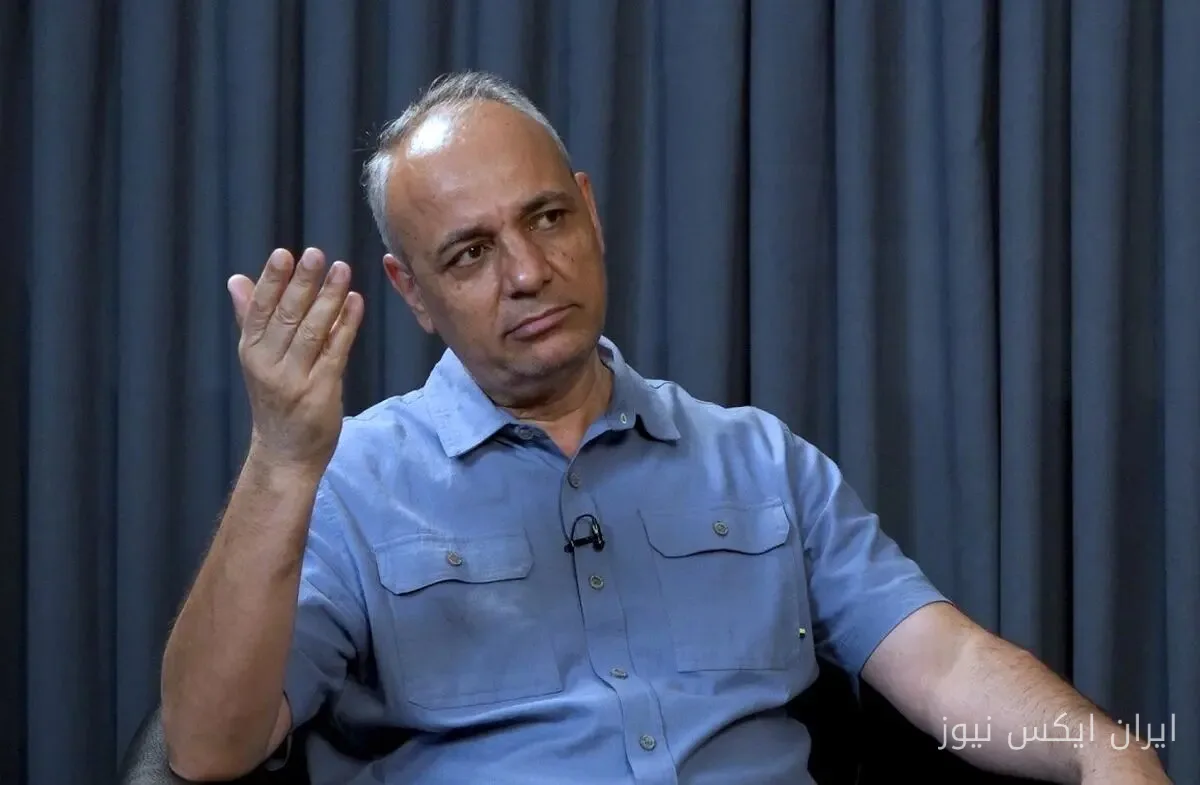
Following the meeting on Monday between Iran and Oman, Zeydabadi, a reformist activist, reacted to the continued closure of the Strait of Hormuz and posed a provocative question: "If the Strait of Hormuz is to remain closed, what does a temporary agreement to determine shipping routes mean?" These statements clearly reflect the growing concerns among political and economic activists who are worried about the repercussions of closing this vital strait.
Challenges of Shipping in the Persian Gulf
The Strait of Hormuz, as one of the most important shipping points in the world, witnesses the passage of millions of tons of oil and goods daily. The closure of this strait could negatively impact not only the economy of Iran but also the global economy. Zeydabadi pointed out that under the current circumstances, decision-makers need to seek long-term and sustainable solutions instead of temporary agreements.
He also noted that the continuation of tensions and instability in the region could lead to greater distrust among regional countries and a decrease in economic cooperation. According to Zeydabadi, if conditions continue in this manner, not only will shipping in the Persian Gulf face serious challenges, but global energy security will also be at risk.
The Need for a Change in Approach
Zeydabadi explicitly stated that current policies need to be reevaluated. He believes that only by creating a safe and stable environment in the region can effective agreements be achieved. Furthermore, he suggested to the government to strengthen diplomacy and international cooperation to address fundamental and root problems.
These remarks by Zeydabadi serve not only as a reminder to the relevant authorities but also reflect serious concerns among political and economic activists in the country. The question is whether decision-makers will heed these warnings or continue to pursue temporary agreements.