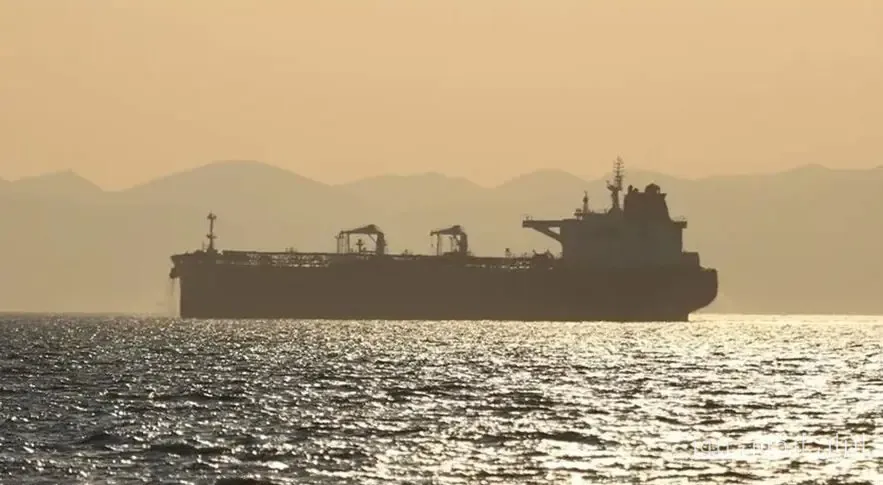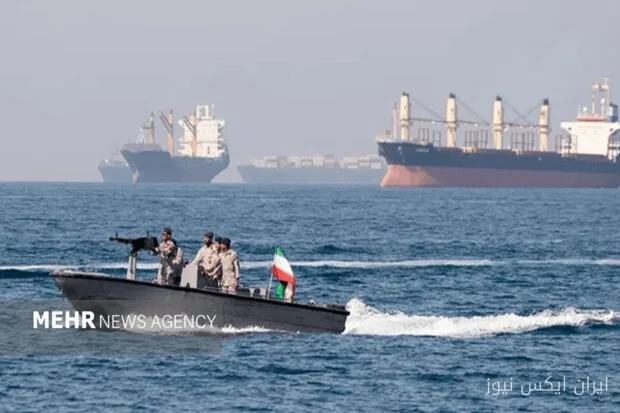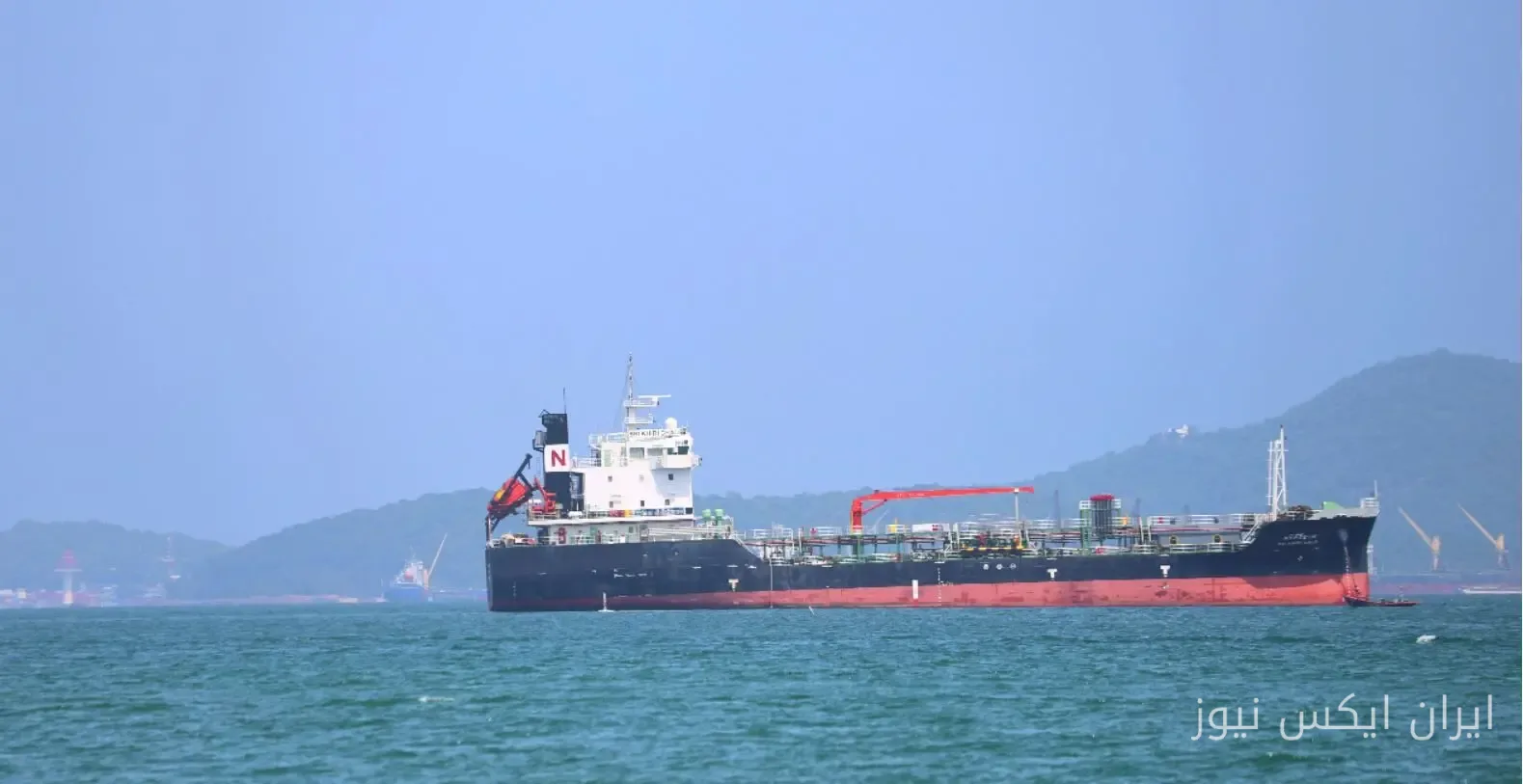
Ansar Allah in Yemen has disrupted energy market equations with its recent advances along the Red Sea coasts and the Bab al-Mandab Strait. This movement has gained control over vast areas of the Red Sea coasts, including the strategic island of "Miyon," and these developments pose a serious threat to Saudi oil exports.
Consequences of Ansar Allah's Threat to the Energy Market
Analysts predict that this situation could lead to an increase in oil prices and disruptions in global energy supply. Craig Brady, an American analyst, compared these developments to the collapse of Bashar al-Assad's forces and the defeat of the Iraqi army against ISIS, emphasizing the need for a change in U.S. political strategy in the Middle East.
Read more: Achievements of Iranian Technologists: Two Revolutionary Catalysts in the Oil Industry
Brady also referred to Ansar Allah's missile attacks on Saudi oil pipelines, stating that these attacks could temporarily halt vital oil activities. While Saudi oil exports have already faced declines, Ansar Allah's threats against Saudi ships in the Red Sea have fueled concerns in the oil market.
Economic and Strategic Challenges for the U.S.
Meanwhile, close advisors to Donald Trump have warned him that the current U.S. strategy of maritime blockade and economic pressure may not compel Iran to surrender. Despite these warnings, Trump is pursuing the goal of pressure on Iran, and there are no signs of a shift in Washington's approach towards negotiations.
The National Interest has also warned that the continuation of this situation could expose the global energy market to further shocks. Disruptions in oil supply and an increase in diesel prices in the U.S. to around $6 per gallon have placed additional pressure on the global economy and could lead to heightened inflation and an increase in interest rates by the Federal Reserve.
Brady also expressed doubt that tankers could pass through the Strait of Hormuz without insurance coverage. The advance of Ansar Allah has not only disrupted navigation in the Red Sea but has also jeopardized the pipeline transporting Saudi oil to Red Sea ports.
Ultimately, the National Interest warned that the continuation of the current situation could drive oil prices to much higher levels and reintroduce the $150 oil scenario. These developments could seriously harm the economies of regional countries and the U.S. position in the Middle East, highlighting the need for a new strategy from the Trump administration.
Read more: Chamran: The Danger of Bombing Tehran's Oil Was Forgotten During the War · CENTCOM Commander: Our Forces Are Well Armed