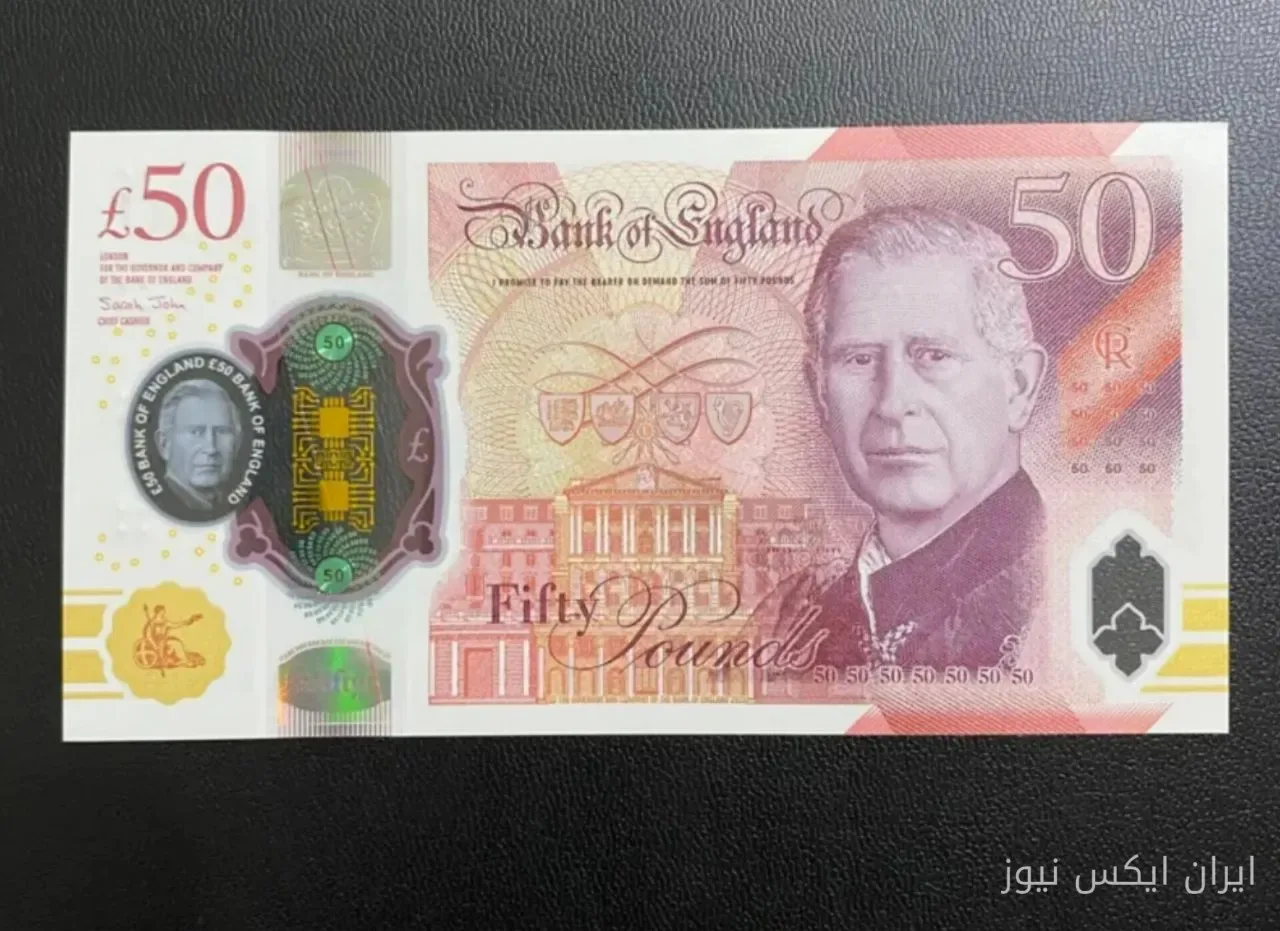
Today, Sunday, September 22, 1405, the currency market witnessed a remarkable transformation. The British Pound was traded at an average of 309,700 Tomans, a figure that reflects severe and unpredictable fluctuations in the currency market. This price increase has not only attracted the attention of analysts and economists but could also have widespread repercussions for importers and domestic consumers.
Impact of Currency Fluctuations on Iran's Economy
Fluctuations in currency prices, especially regarding major global currencies like the British Pound, have always been one of the main challenges for Iran's economy. This price increase could lead to higher import costs and ultimately result in increased prices for goods and services in the domestic market. Particularly in a situation where many goods and raw materials needed by the country are dependent on foreign currencies, these fluctuations could put pressure on the supply chain.
Economic experts believe that if this trend continues, the country may be on the brink of another economic crisis. Additionally, the increase in the price of the Pound could weaken household purchasing power and increase inflation rates, which is a concerning issue for the government and economic policymakers.
Worrisome Future
There are still questions regarding the future of prices and the economic situation of the country. Has the government devised measures to control these fluctuations? Should people prepare themselves for rising prices? In these circumstances, it seems that only time can answer these questions.
Given the current conditions, careful monitoring and management of the currency market are of special importance. Will economic officials be able to manage this crisis and prevent its repercussions? The economic future of Iran hinges on the answers to these questions.