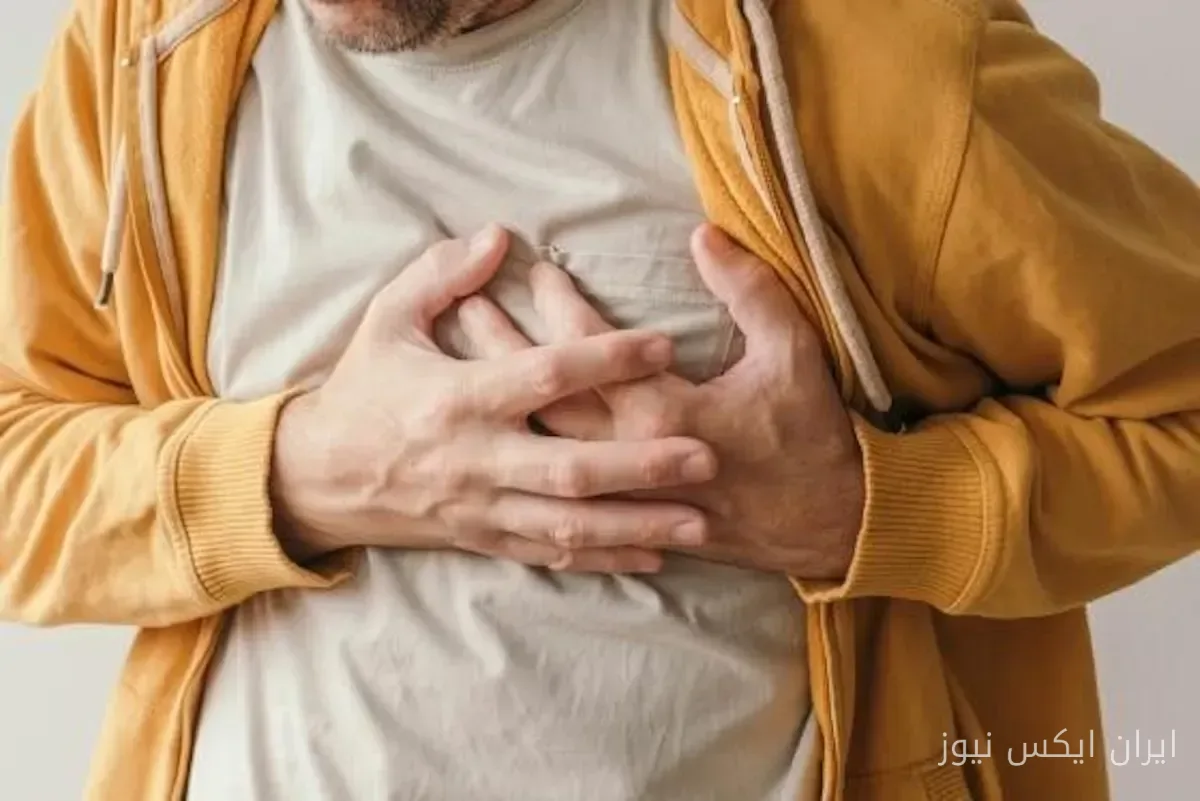
Chest wall pain is one of the causes of pain in the chest area and can originate from muscles, ribs, cartilage, or joints where the ribs connect to the sternum. Muscle strain, injury, severe coughing, and some repetitive activities are factors that can lead to this type of pain. However, any new or unexplained pain in the chest area should not be attributed to muscular problems without medical evaluation.
What is Costochondritis?
Costochondritis is a type of inflammation in the cartilage where the rib connects to the sternum and is considered one of the known causes of chest wall pain. The pain may be sharp or dull and is usually felt in the front of the chest, often on one side of the sternum. Costochondritis pain may worsen with upper body movement, deep breathing, coughing, or sneezing. Pressure on the affected area can also increase the pain. The exact cause of this condition is often unclear, but injury, physical strain, and severe coughing may play a role in its onset.
Read more: Do not lie down immediately after eating to reduce heartburn
Chest Wall Pain and Other Causes
Chest wall pain is not always muscular. Pain in the chest area can have various causes. In addition to chest wall issues, heart, lung, and gastrointestinal diseases may also cause pain in this area. For example, acid reflux can be accompanied by a burning sensation or pain in the chest, and some lung diseases may cause pain that worsens with breathing or coughing. Therefore, the location of the pain or tenderness in a specific point of the chest wall alone is not sufficient for diagnosing the cause.
When Does Chest Pain Require Immediate Attention?
If chest pain is sudden and severe, lasts more than a few minutes, or occurs without a clear cause, it should be taken seriously. Additionally, chest pain or pressure that radiates to the arm, shoulder, neck, jaw, back, or upper abdomen may be signs of a heart attack. Chest pain accompanied by shortness of breath, sweating, nausea, dizziness, weakness, or fainting also requires immediate medical evaluation. Sudden shortness of breath or chest pain accompanied by coughing up blood are also symptoms that should not be ignored.
In many cases, chest wall pain does not have a serious cause and improves with appropriate treatment and time, but any new or unexplained pain in the chest area should be evaluated by a doctor to rule out more significant causes.
Read more: Beneficial fruits for kidney health have been introduced · New research; it is better to walk less than 10,000 steps