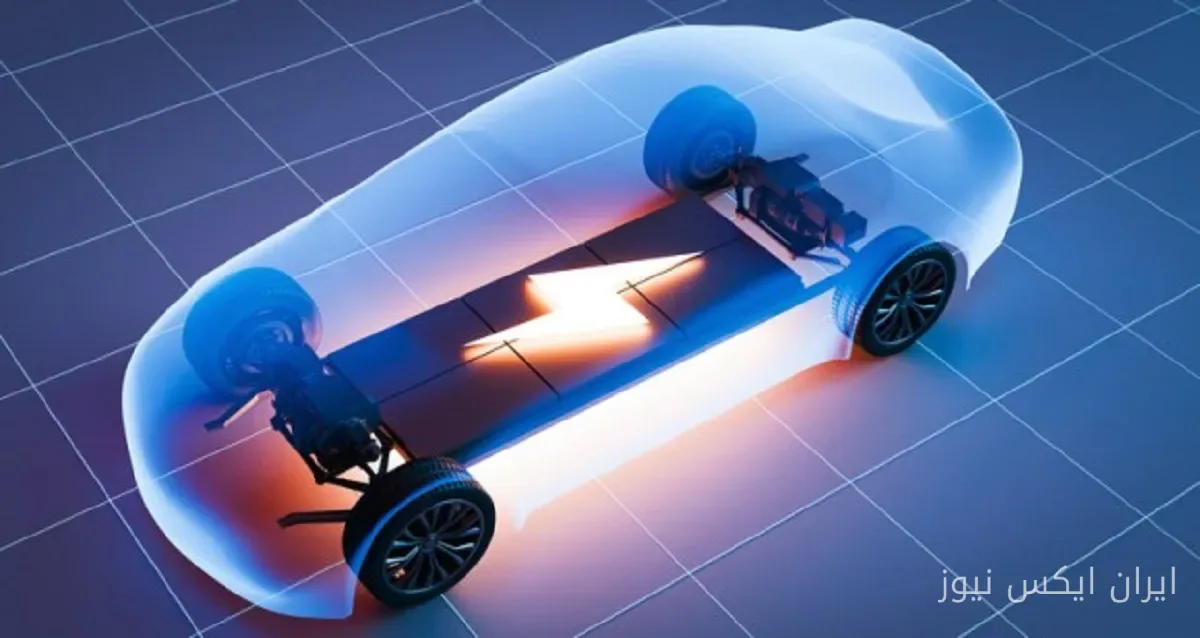
The lifespan of electric vehicle batteries depends on various factors, and often their degradation occurs gradually; this decrease in capacity is usually accompanied by a slow decline in the vehicle's range, which does not necessarily indicate complete battery failure.
Gradual Range Reduction
According to an analysis by the U.S. Department of Energy of about 15,000 plug-in hybrid and all-electric vehicles, only 1.5 percent of batteries have been replaced due to failure (excluding recalls), with this rate being less than one percent for models from 2016 to 2023. Therefore, determining whether observed changes are due to natural aging of the battery or a serious issue requires specialized examination.
Read more: Smartphones Estimate Users' Sleep and Wake Times
Based on estimates from the U.S. Department of Energy, modern electric vehicle batteries may last 12 to 15 years in moderate climates and 8 to 12 years in very hot or cold climates. A study conducted by Geotab in 2026 on over 22,700 electric vehicles showed an average battery capacity decline of 2.3 percent per year.
More Serious Battery Issues
In contrast to gradual capacity reduction, a sudden and unexplained drop in range, new limitations on battery charge levels, or decreased vehicle performance, especially when accompanied by battery or high-voltage system warnings on the dashboard, requires immediate attention. For example, Tesla has documented high-voltage battery warnings that can reduce maximum charge levels and range if specific internal battery conditions are detected.
Other automakers also use different warnings, and there is no universal symbol for battery replacement. The important point is that the vehicle can detect internal battery errors that the driver cannot identify solely based on range.
Battery Troubleshooting Diagnosis
If your electric vehicle reports a battery error or its usable capacity has decreased to the point of disrupting normal driving, the next step is to check the battery's health. An authorized electric vehicle service center can check diagnostic codes and battery data to determine whether the issue is merely normal wear, a repairable defect, or if a complete battery pack replacement is needed.
Before accepting repair costs, check the battery warranty, as some manufacturers offer separate long-term coverage for the traction battery. If a complete battery replacement is needed outside of warranty, the cost can be significant, and according to a Recurrent survey, many replacements range from $5,000 to $16,000. Replacing an electric vehicle battery is not a typical project for amateur mechanics and requires specialized tools, protective equipment, and procedures.
Read more: Chongqing, China: The Sky Became a Giant Screen · Smart Camera: A Guide to Buying the Best CCTV Camera